Central Massachusetts Podiatry
Podiatrists located in Worcester, MA & Westborough, MA
Gout Treatment in Massachusetts
Get Help for Sudden Foot Pain and Gout Flare-Ups
Have you ever woken up in the middle of the night with a painful, swollen big toe? This symptom can be a sign of gout, a type of inflammatory arthritis that can cause sudden, intense joint pain. Gout commonly affects the big toe, but it can also cause pain, redness, swelling, and warmth in the ankles and other joints.
At Central Massachusetts Podiatry, our foot and ankle specialists evaluate painful joints, help identify the cause of your symptoms, and discuss treatment options based on your needs.
What Is Gout?
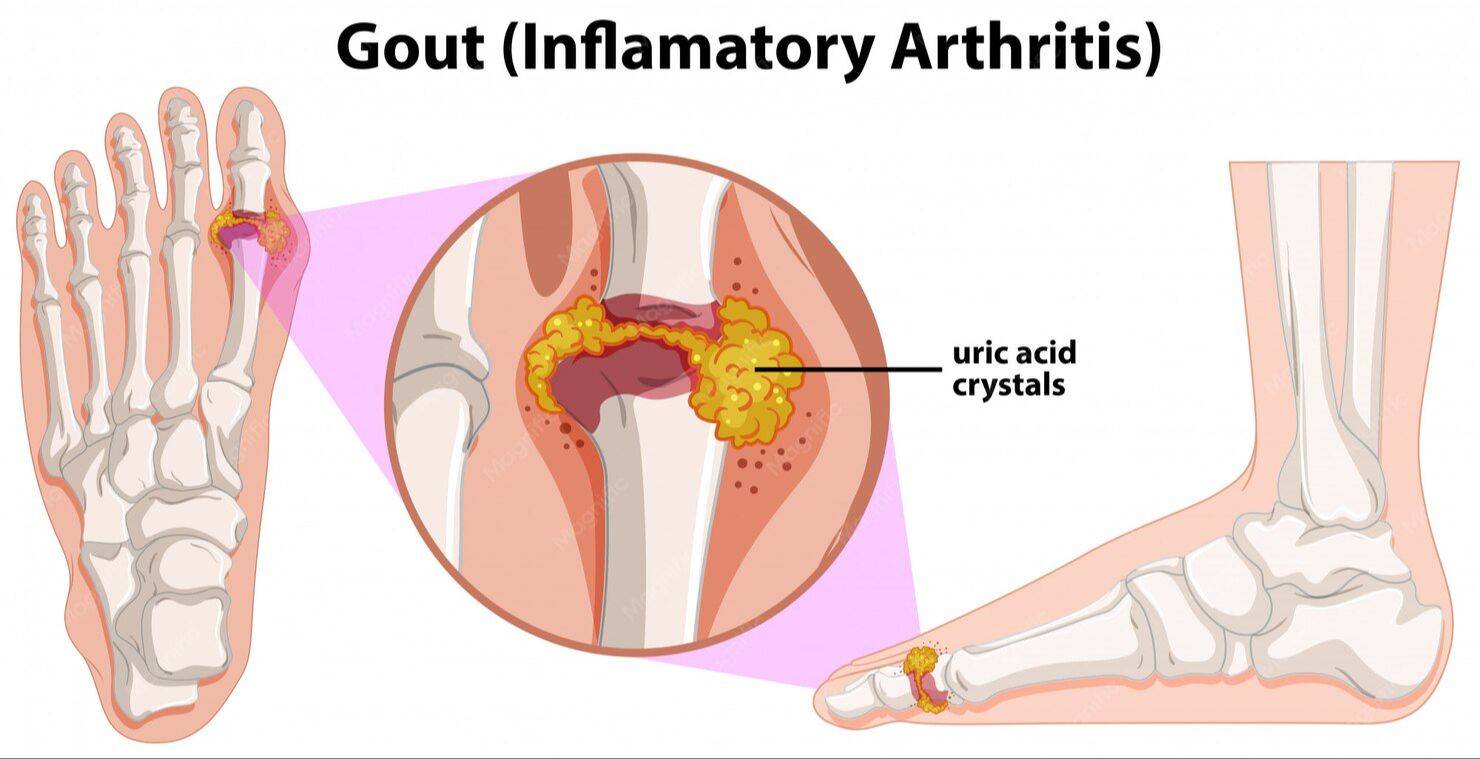
Gout is a common form of arthritis that develops when uric acid builds up in the body and forms crystals in and around a joint. These crystals can trigger sudden inflammation, causing significant pain, swelling, redness, and tenderness.
Uric acid is naturally produced by your body. It normally dissolves in the blood and is removed through the kidneys in urine. However, when your body produces too much uric acid or your kidneys do not remove enough, uric acid levels can rise.
Over time, these elevated levels can lead to crystal formation and gout attacks. Symptoms may come and go, with periods of intense pain followed by times when the joint feels normal.
Although gout is often associated with men, anyone can get it. Your diet, genetics, kidney function, certain medical conditions, and medications can also influence your risk.
Common Signs and Symptoms of Gout
Gout symptoms can develop quickly, sometimes overnight. Recognizing the warning signs can help you seek appropriate care and avoid assuming that the pain will resolve on its own. Common symptoms include:
- Sudden, intense joint pain: A flare-up can cause severe pain that makes standing, walking, or putting on shoes uncomfortable. The pain may get worse within 8 to 12 hours after it starts.
- Swelling and redness: The affected joint may become visibly swollen, red, and tender.
- Warmth or burning sensation around the joint: The skin over the affected area may feel noticeably warmer than the surrounding skin.
- Big toe pain: Gout frequently affects the joint at the base of the big toe, although other conditions can cause similar symptoms.
- Pain in the feet and ankles: Gout can also affect the midfoot, ankle, and other joints.
- Recurring flare-ups: Symptoms may improve after an attack but return weeks, months, or even years later.
A gout attack can resemble an infection or another inflammatory condition, so getting a professional diagnosis is important.
What Causes Gout?
Gout develops when uric acid accumulates and forms crystals in a joint. Several factors can contribute to elevated uric acid levels and increase your likelihood of developing gout.
High uric acid levels
When the body produces too much uric acid or the kidneys cannot remove enough, uric acid can build up. However, not everyone with high uric acid develops gout, and a normal uric acid result during a flare does not always rule it out.
Diet-related factors
Foods and drinks high in purines can contribute to increased uric acid levels. These include certain red meats, organ meats, some seafood, and alcohol, particularly beer and spirits. Sugary drinks containing fructose may also increase risk. Diet is one factor among several, rather than the sole cause.
Genetics and family history
A family history of gout may increase your risk. Inherited differences in how the body processes uric acid can make some people more susceptible.
Medical conditions that increase risk
Chronic kidney disease, high blood pressure, obesity, and certain metabolic conditions can increase the likelihood of developing gout.
Medications that may contribute
Some medications, including certain diuretics (water pills), can raise uric acid levels. Do not stop or change a prescribed medication on your own; discuss possible alternatives with your prescribing clinician.
Understanding what contributes to your gout can help your healthcare providers develop a treatment approach that addresses both your immediate symptoms and your risk of future attacks.
Gout Treatment Options
Gout treatment aims to reduce pain and inflammation during a flare-up, confirm the cause of your symptoms, and help prevent future attacks when appropriate.
At Central Massachusetts Podiatry, treatment begins with an evaluation of your foot or ankle symptoms. Your podiatrist can discuss appropriate options based on your examination, medical history, and the likelihood that gout is causing your pain.
1. Evaluation and Diagnosis
During your initial visit, your podiatrist will review your symptoms, when the pain began, whether you have experienced previous attacks, and any relevant medical history.
Depending on your symptoms, the evaluation may include:
- A physical examination of the affected joint.
- X-rays to assess the joint and look for other possible causes of pain or signs of longstanding gout.
- Blood tests to assess uric acid levels when appropriate.
2. Medication to Relieve Pain and Inflammation
Depending on your medical history and the severity of your symptoms, treatment for an acute gout attack may include prescription or other appropriate anti-inflammatory medication. Your podiatrist can discuss appropriate options and coordinate care with your primary care provider or another specialist when necessary.
3. Cortisone Injections When Appropriate
For certain patients, a cortisone injection into an affected joint may be considered to help reduce inflammation and pain. If you’re in a lot of pain, along with a cortisone injection, your podiatrist might recommend wearing a walking boot to help prevent objects from hitting your foot and making it more painful.
An injection is not always necessary for every gout attack. Your podiatrist will first assess the joint and determine whether this approach is appropriate, including whether an infection needs to be excluded.
4. Follow-Up Care and Reassessment
Your treatment may require a follow-up visit to assess how your symptoms are responding and determine whether additional evaluation or treatment is needed.
5. Preventing Future Gout Attacks
Treating the immediate pain is only part of managing gout. Lifestyle changes may also help reduce your risk. Depending on your circumstances, these can include staying well hydrated, limiting alcohol and high-purine foods, reducing sugary drinks, and working toward a healthy weight.
Because long-term gout management often involves monitoring uric acid levels and adjusting medication, coordination between your podiatrist and primary care provider or rheumatologist may be beneficial.
Watch this video to learn more about our Gout Treatment Process:

Why Patients Choose Central Massachusetts Podiatry for Management of Gout
Experienced foot and ankle specialists
Our podiatrists evaluate a range of foot and ankle conditions, including painful joint problems that may be associated with gout.
Conservative and advanced treatment options
Your care may include diagnostic evaluation, medication recommendations or coordination, follow-up assessments, and selected procedures when clinically appropriate. Treatment is based on your individual presentation rather than a one-size-fits-all approach.
Personalized treatment plans
Gout can affect people differently. We consider your symptoms, medical history, and response to treatment when discussing the next steps for your foot or ankle pain.
Same Day Appointments and Convenient Massachusetts locations
Our Worcester and Westborough clinics accept walk-in and same-day appointments. Monday through Friday, 8:00 AM–4:00 PM. If you are experiencing sudden or severe joint pain, you may schedule your urgent care appointment now.
Frequently Asked Questions
What is the main cause of gout?
What are the warning signs of gout?
How do you get rid of gout?
How long does gout last?
How do I confirm I have gout?
What happens if gout is left untreated?
Patient Success Stories
“I love biking- it’s my favorite. 🤩 🚲
6 weeks ago the top of my foot started to bother me out of the blue. A visit to Urgent Care and then to the podiatrist a few days later for exam and foot x-rays ensued. The podiatrist diagnosed me with gout. Gout! Scott was there and we were stunned. I’m not a doctor, but if you look at my lifestyle, it’s not that. Nor did I really have those symptoms. I went 6 weeks total of hobbling on my foot before getting into Central Massachusetts Podiatry to see Dr. Feldman. He is not in my insurance network, but I knew he would help me. Sure enough, it’s a stress fracture and now the bone is healing but is slightly misaligned bc I was misdiagnosed. Advocate for yourself!!!! That’s my message. I’m so thankful for Dr. Feldman and that I can bike!! (And swim) 😊” - Tracy S.
Schedule an Appointment
If you’re looking for gout treatment near you, reach out to Central Massachusetts Podiatry. Our highly experienced podiatrists will assess your unique situation and tailor a treatment plan for you. Schedule your appointment today.
Not sure what you have?
Use our Foot Problem Resource Finder to find educational articles, videos, and next steps for your foot or ankle concern.
This tool is for general education and does not replace evaluation by a qualified healthcare professional.
Get Access to the Foot Problem Resource Finder