Plantar Fasciitis Prevention for Runners: Preseason Tips That Work

If you’re a runner, you’ve most probably heard of plantar fasciitis, or experienced it yourself. It’s one of the most common causes of heel pain among athletes, including runners, especially as training ramps up before a new season.
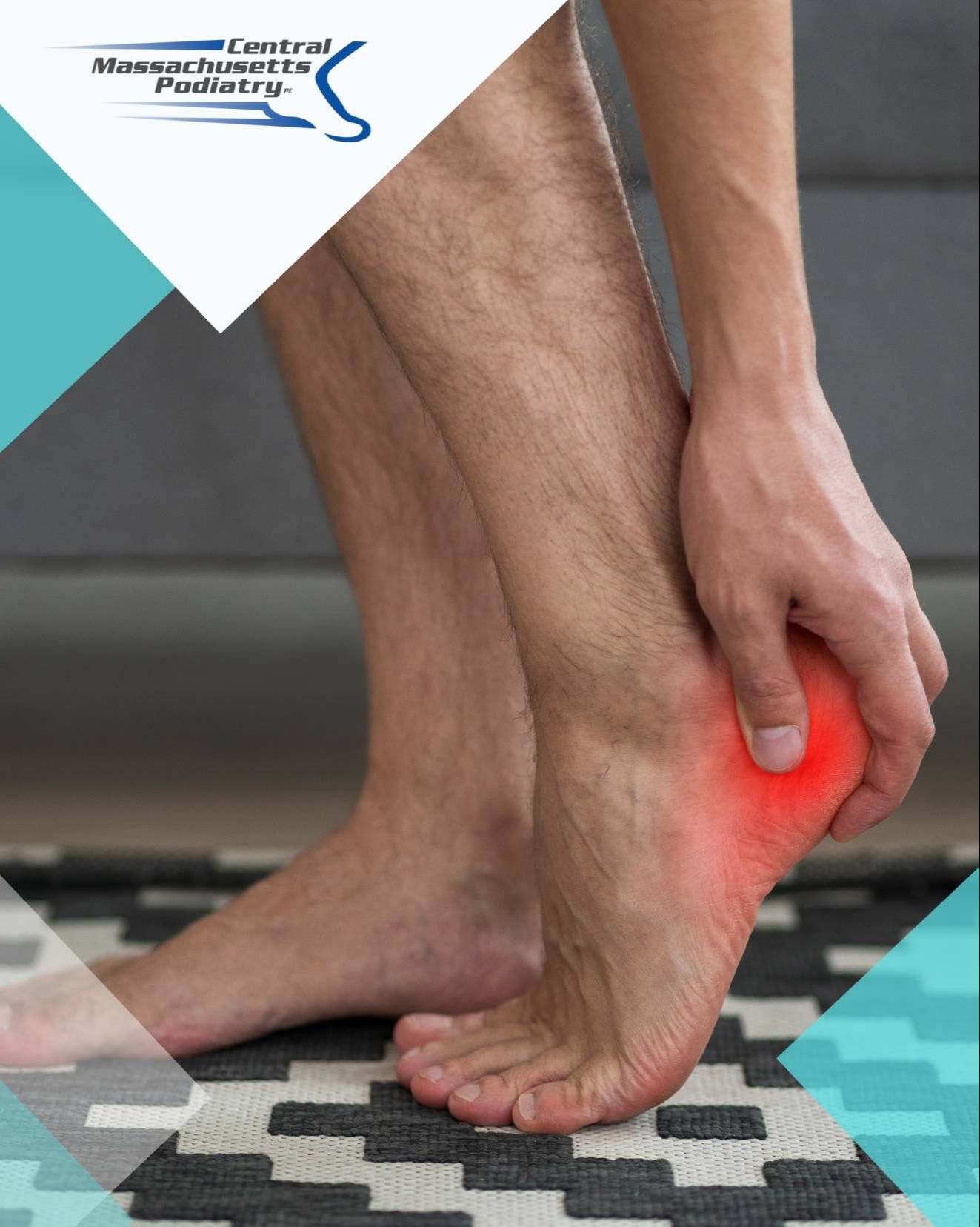
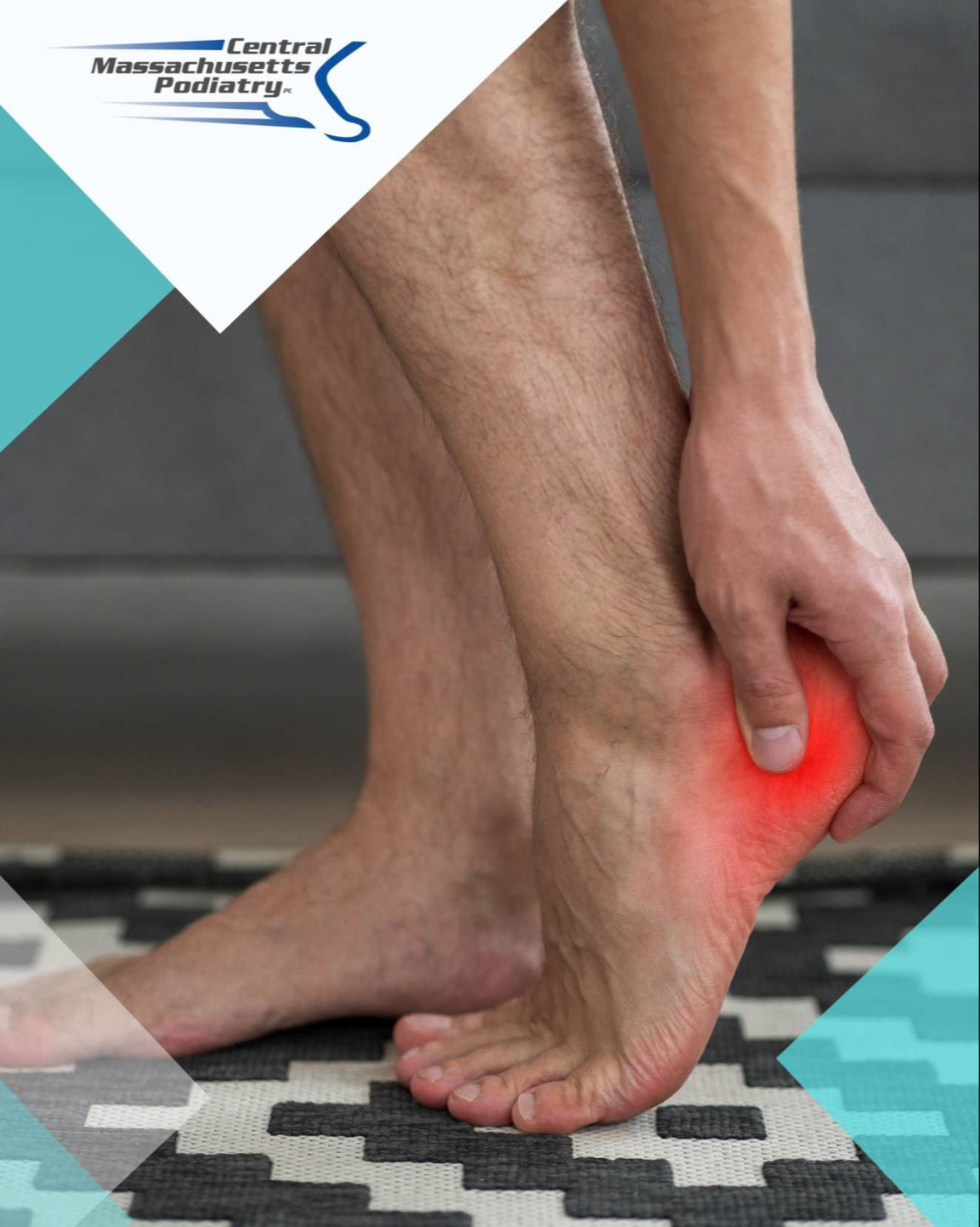
You may notice the first signs as a sharp pain in the heel when taking your first steps in the morning, stiffness along the bottom of the foot, or soreness after longer runs. While it may start as mild discomfort, plantar fasciitis may turn into an injury that sidelines training.
The good news? There are ways to prevent injury during preseason. In this blog, we’ll discuss why plantar fasciitis happens and how to prevent it.
Why Plantar Fasciitis Happens
The plantar fascia is a thick band of tissue that runs along the bottom of your foot, connecting your heel bone to your toes. Its job is to support the arch of the foot and absorb shock when you walk or run.
For runners, this structure is constantly under stress. With excessive or repetitive use without enough recovery, tiny tears and inflammation can develop, leading to plantar fasciitis. Several factors can increase the risk for runners, including:
- Sudden increases in training mileage or intensity
- Tight calves or Achilles tendons
- Running in worn-out or unsupportive shoes
- High arches or flat feet that change foot mechanics
Tips to Prevent Plantar Fasciitis
A few simple habits added to your preseason routine can go a long way in protecting your feet.
Stretch regularly
Gentle stretching exercises for the calves, Achilles tendon and bottom of the foot, after runs or even before getting out of bed in the morning, can help maintain flexibility and reduce stress on the heel.
Choose supportive footwear
Running shoes play a major role in foot health. Shoes that provide adequate arch support, cushioning, and stability can help distribute pressure more evenly across the foot. It’s also important to replace worn-out running shoes. Midsoles lose their shock absorption and may increase stress on the plantar fascia.
Increase mileage gradually
Ramping up mileage too quickly at the start of the season is one of the most common mistakes runners make. A sudden increase in distance, speed, or hill work can overload the plantar fascia. Instead, follow a gradual training progression, giving your muscles, tendons, and fascia time to adapt to increased demands.
Pay attention to early warning signs
Heel pain, tightness in the arch, or soreness that appears after runs shouldn’t be ignored. Addressing these symptoms early through rest, stretching, and proper support can often prevent a small issue from becoming a long-term injury.
Key Takeaways
For runners or physically active individuals, plantar fasciitis is one of the most common foot injuries. By strengthening your feet, maintaining flexibility, choosing supportive footwear, and increasing training gradually, you can significantly reduce your risk before the season begins.
If you’re already noticing symptoms, such as heel pain, tight arches, or other warning signs, it may be helpful to consult a podiatrist. For proper assessment or plantar fasciitis treatment options, reach out to Central Massachusetts Podiatry. Serving Worcester, Westborough and neighboring communities, our podiatrists can help you address the problem before it interferes with your training or running goals. Schedule an appointment today.