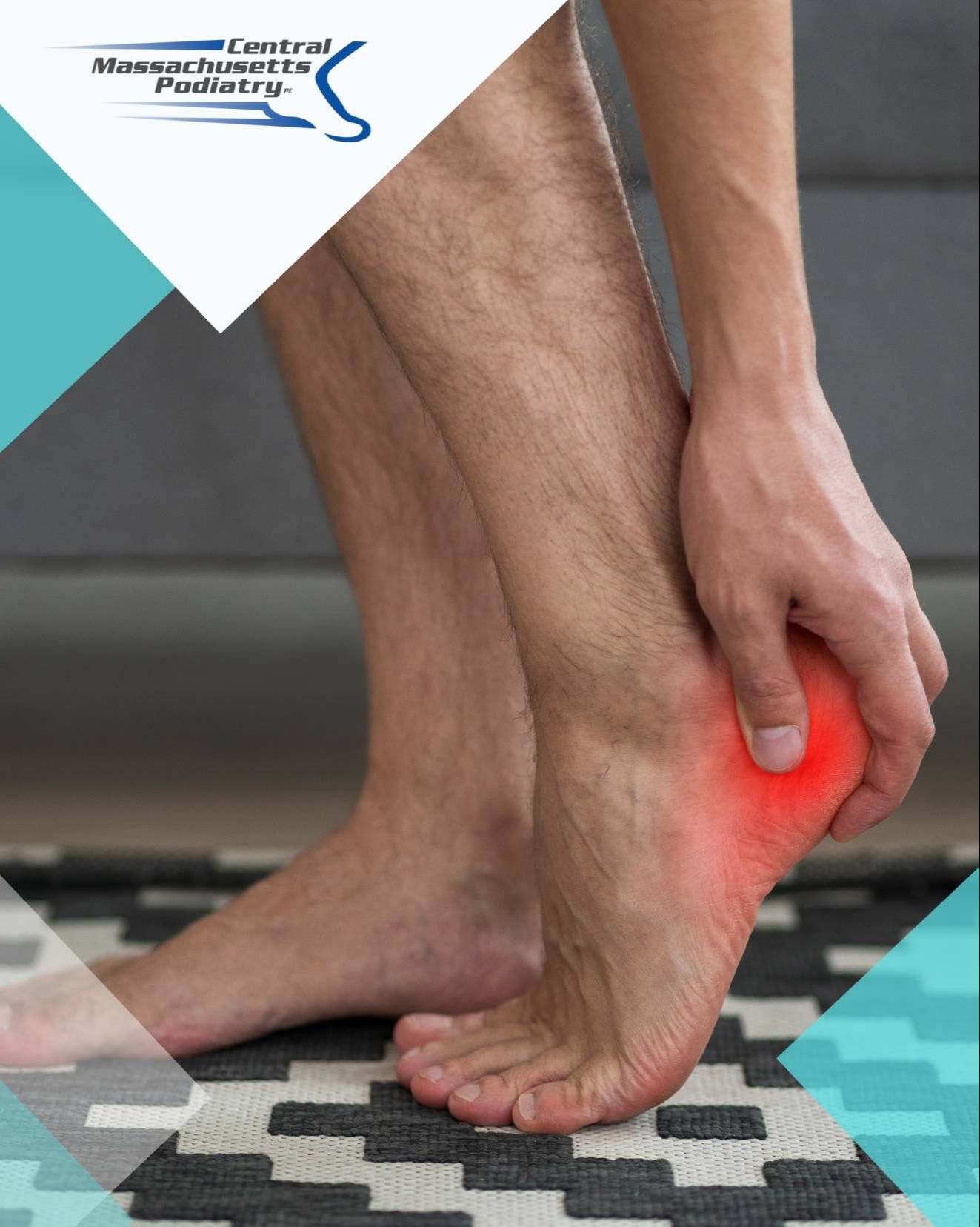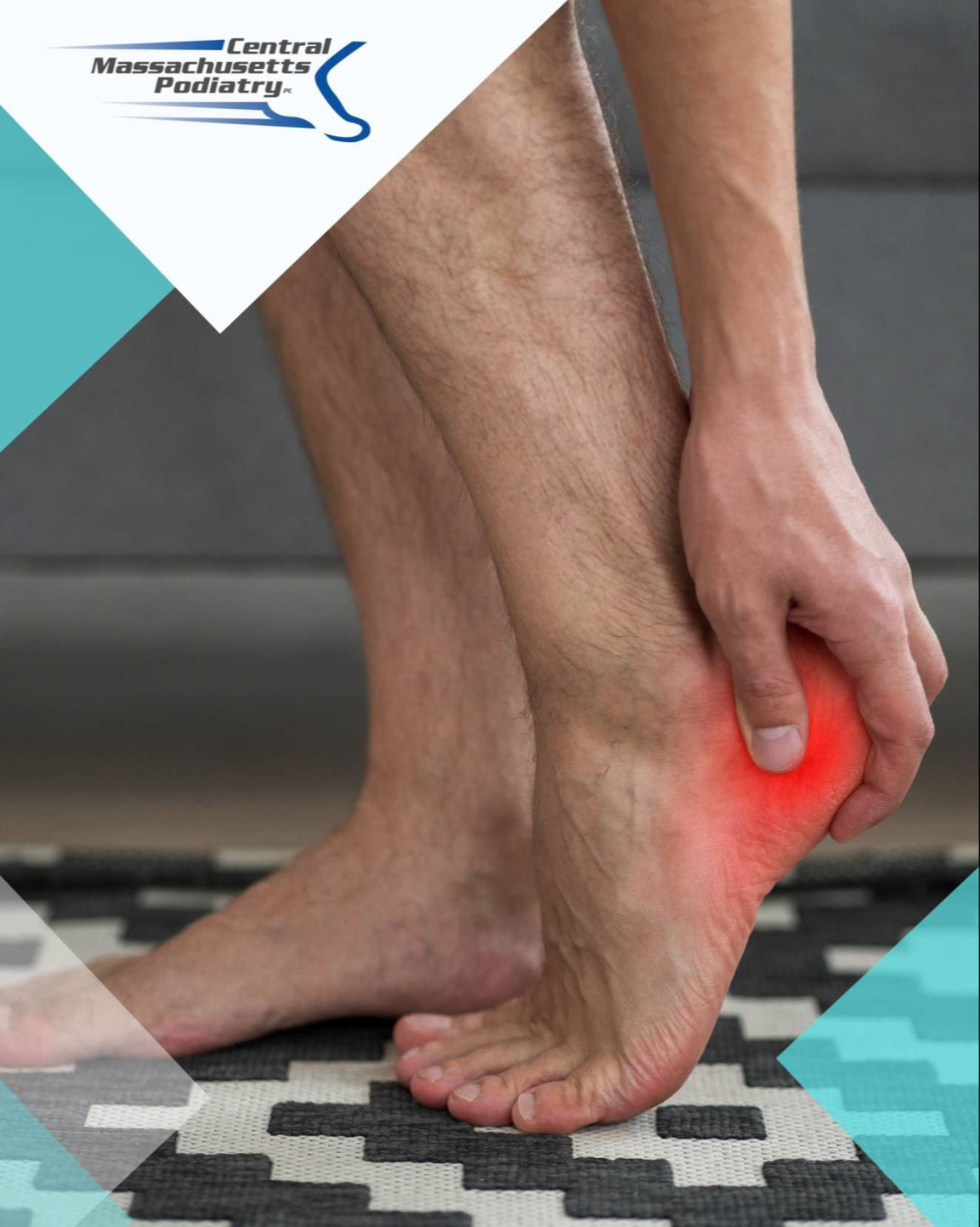
Are Your Heels Cracking This Winter? Here’s What to Do

Do your heels feel rough, dry, or even painful this winter in Massachusetts? You’re not alone. Cold outdoor air, indoor heating, and everyday friction all work together to pull moisture from your skin, especially the thick skin on your heels. Over time, this dryness can lead to cracks, also called heel fissures.
Cracked heels aren’t just a cosmetic issue. When the skin splits, it can become sore, bleed, or allow bacteria to enter, increasing the risk of infection. The good news? With the right daily care and professional treatment when needed, cracked heels are very treatable, and often preventable.
Why Does Winter Cause Cracked Heels?
Winter weather creates the perfect storm for heel problems:
- Dry air and low humidity: Cold temperatures outside and heated air indoors strip moisture from the skin, making it dry.
- Thick, hardened skin: The skin on the heels naturally thickens to protect your feet. When it becomes too dry, it loses elasticity and can split under pressure from walking or standing.
- Footwear and surfaces: Boots without proper cushioning, open-back shoes, or walking barefoot on hard floors can increase stress on already dry heels.
How To Heal Cracked Heals?
At-home care can make a big difference, especially when started early:
- Apply a thick moisturizer daily, ideally after bathing when skin is slightly damp
- Use gentle exfoliation to remove excess dead skin (avoid aggressive scraping)
- Try warm foot soaks followed by moisturizing and wearing cotton socks overnight
- Choose supportive, closed-back footwear to reduce pressure on the heels
For deeper or painful cracks, professional care may be needed. A podiatrist can safely remove thickened skin, treat fissures, and recommend medical-grade products.
Conclusion
Winter conditions in Massachusetts can make cracked heels more common, but they don’t have to be a seasonal struggle. With consistent daily care and early treatment, most heel fissures can heal before they lead to pain or infection.
If your cracks are deep, painful, or not improving with home care, it’s a good idea to consult a podiatrist near you. Schedule a visit with a foot specialist at Central Massachusetts Podiatry. We can help keep your feet comfortable, healthy, and ready to get you through the rest of winter with confidence—make an appointment now.
Related Blogs
Heel Fissure Treatment Process
This is my current treatment process for treating cracked…

Foot Orthotics: Comprehensive Guidance on Maintenance, Repair, and Replacement
Foot orthotics support and alleviate discomfort for…

Why do I have a bump on the back of my heel?
There are really three main conditions that are most…