How to Avoid Getting Achilles Tendonitis

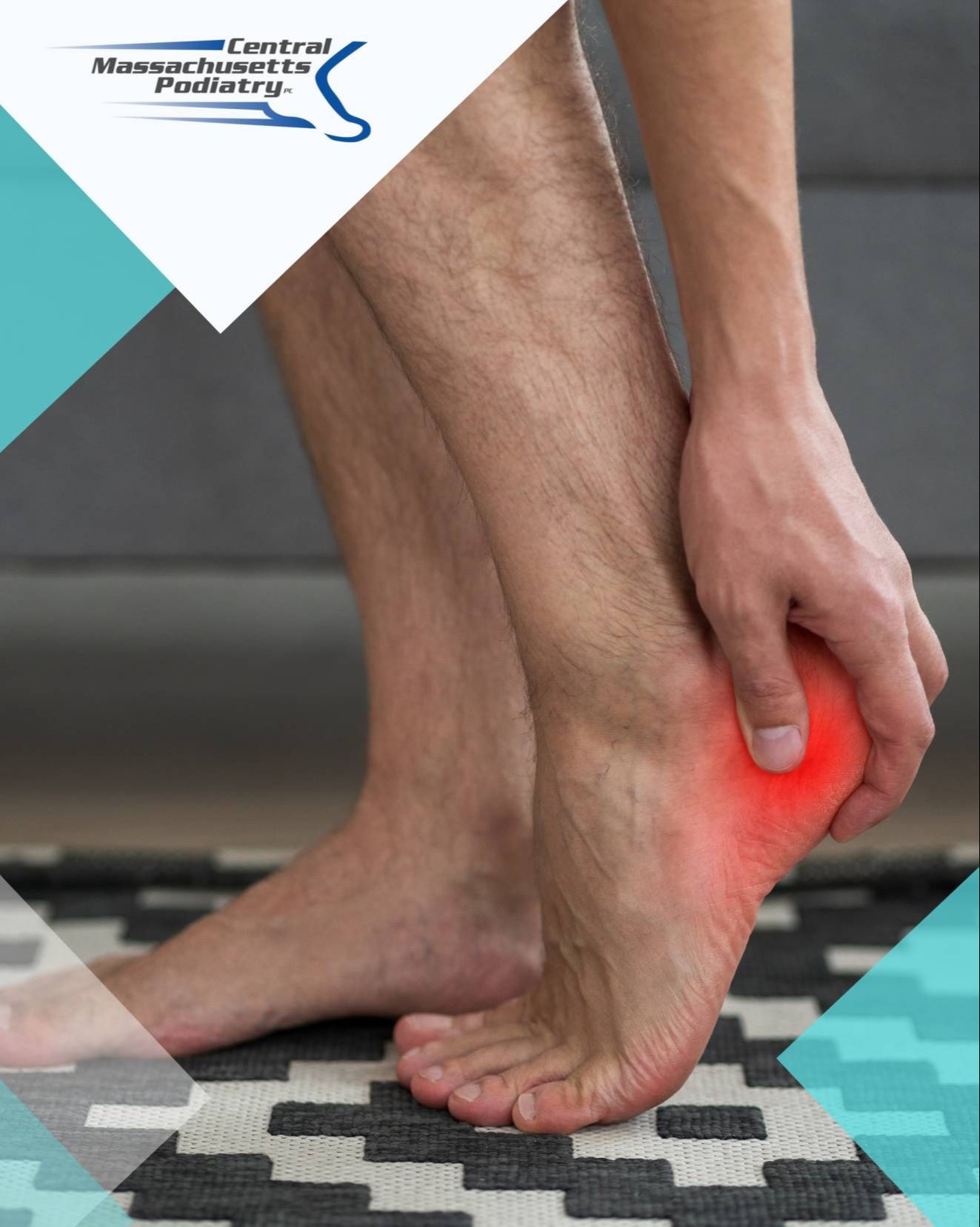
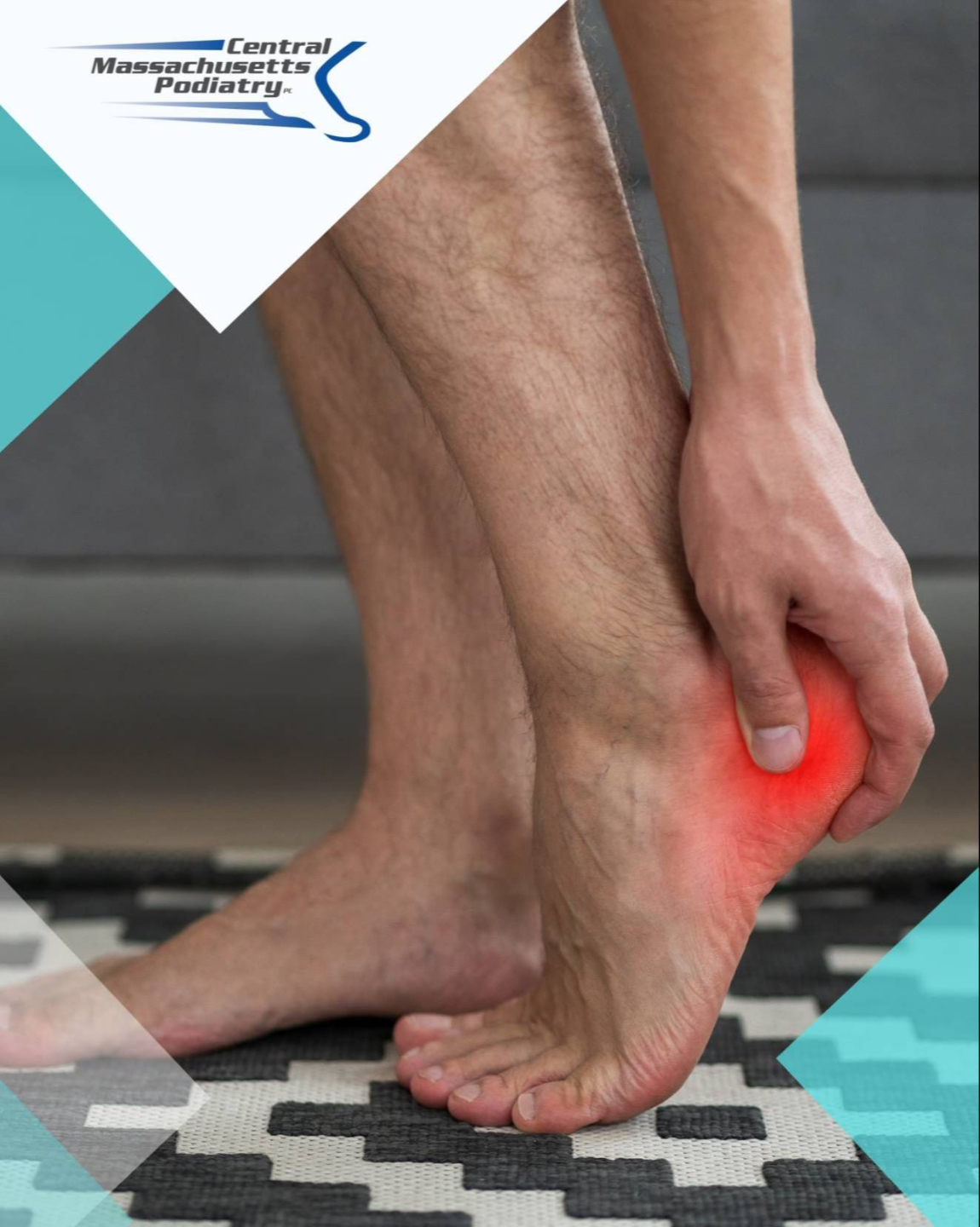
Young athletes face a variety of challenges, from physical training and injury prevention to the mental and emotional demands of competing in their chosen sports. One common concern would be heel pain, especially for those who are into running, jumping, gymnastics, or other sports.
As a parent, you may wonder whether your child should push through the pain, take a few days off, or stop training altogether. The answer depends on your child’s specific situation—what's causing the heel pain and how severe the symptoms are. Understanding the cause of your child's heel pain is the first step toward finding the right treatment and helping them return to sports safely.
Should Young Athletes Stop Training When Their Feet Hurt?
If the child is injured during a game or practice, they have to stop and let the coach or doctor know what happened. The right approach depends on the diagnosis, the severity of the pain, your child's age, and the physical demands of their sport. Ultimately, your doctor will tell you which way to go. You may consider reducing or pausing high-impact activities if:
- Your child’s heel pain gets worse during running, jumping, landing or every after activity.
- Limping or changing the way they walk.
- Pain that continues after practice or becomes more noticeable the next morning
- Swelling, tenderness, or difficulty putting weight on the foot.
- Pain that keeps returning despite rest or changes to training.
Several conditions can cause heel pain in children and teenagers. Because their feet are still developing, identifying the source of the discomfort is particularly important. Common causes of heel pain in young athletes include:
- Sever's disease: an overuse condition affecting the growth area of the heel in growing children
- Plantar fasciitis: involves irritation of the tissue supporting the arch of the foot
- Achilles tendinitis: causes pain and stiffness in the tendon connecting the calf muscles to the heel
- Stress fractures: small cracks in the bone caused by repetitive impact
These conditions can have similar symptoms but require different heel pain treatment approaches, making an accurate diagnosis important before your child continues training.
How Can Shockwave Therapy Help Young Athletes With Heel Pain?
Shockwave therapy may be used in selected cases to help manage certain tendon-related or other musculoskeletal pain conditions. Depending on the condition, it may support pain reduction and tissue recovery as part of a comprehensive treatment plan.
For young athletes, treatment decisions require particular care. Not every type of heel pain responds to shockwave therapy, and treatment that may be appropriate for an adult isn't automatically appropriate for a child.
Case Study: Helping a Young Gymnast Stay in Training
An article published by CuraMedix entitled “How a Combined Shockwave Approach Helped a Young Gymnast Stay in Training” describes the case of a 13-year-old gymnast experiencing heel pain in both feet associated with Sever's disease.
For a young gymnast, heel pain can be particularly challenging. Gymnastics involves repeated jumping, landing, and loading of the feet, making it difficult to continue practicing comfortably when the heels are sore.
According to the case study, the treatment approach combined radial pressure wave therapy with focused shockwave therapy. The radial treatment addressed a broader area, while the focused treatment targeted more specific symptomatic regions.
The reported outcome was an improvement in the gymnast's symptoms that allowed him to continue training and competing during the course of treatment.
Important Note: It is an individual case, not a guarantee that other children will experience the same results.
Whether a young athlete can safely continue training depends on the advice of the health professional, which is required to determine the underlying condition and how the symptoms respond to treatment. Even when pain improves, returning to full activity should be guided by clinical assessment rather than pain relief alone.
Find Out If Shockwave Therapy Is Right for Your Child
Heel pain doesn't always mean the end of your child's sports season, but it shouldn't be ignored either. Identifying the cause early can help prevent a manageable problem from becoming a more significant injury.
At Central Massachusetts Podiatry, we help patients in Worcester, Westborough, and surrounding Massachusetts communities find appropriate care for foot and ankle concerns. If your child is experiencing heel pain during sports, schedule a consultation now.