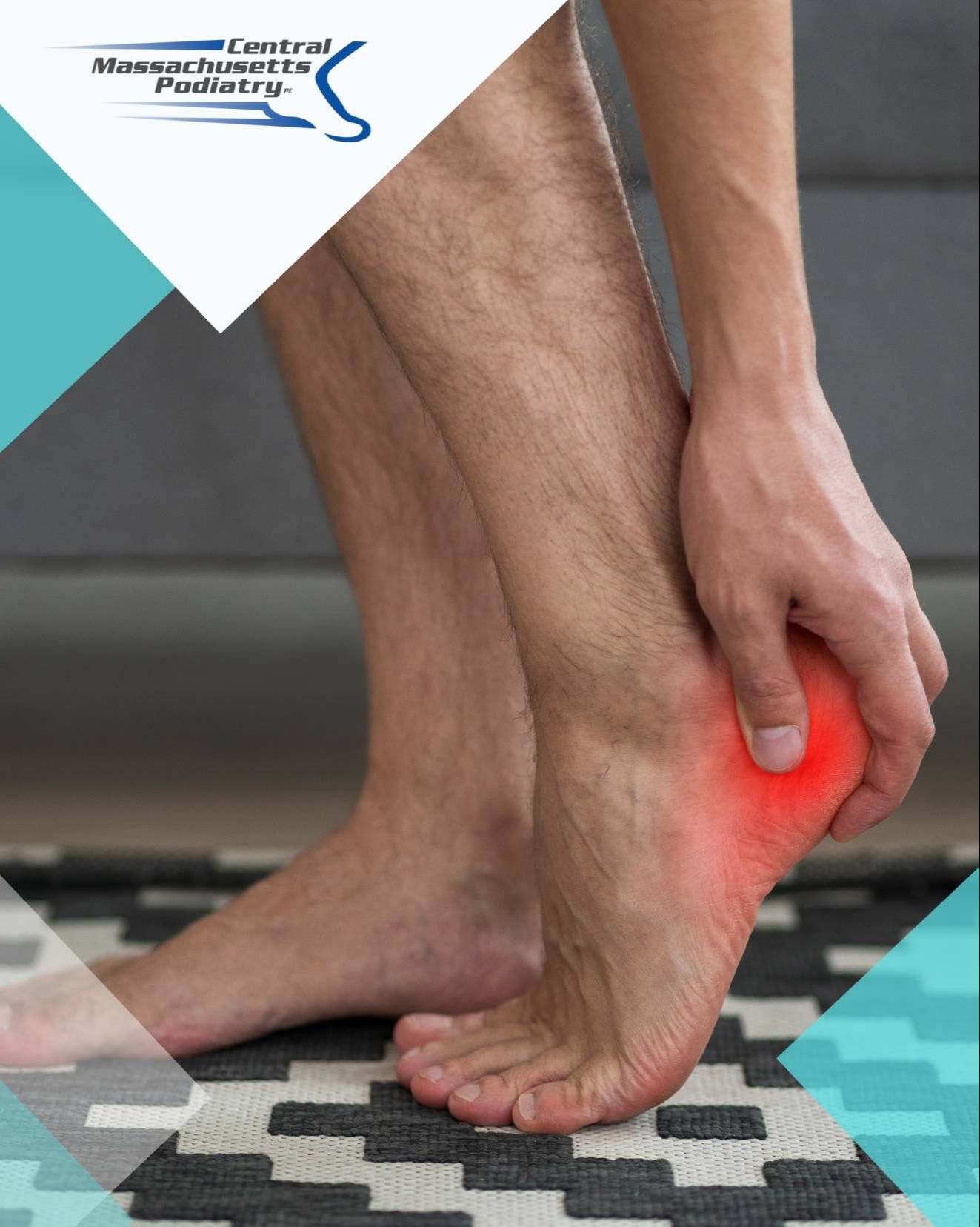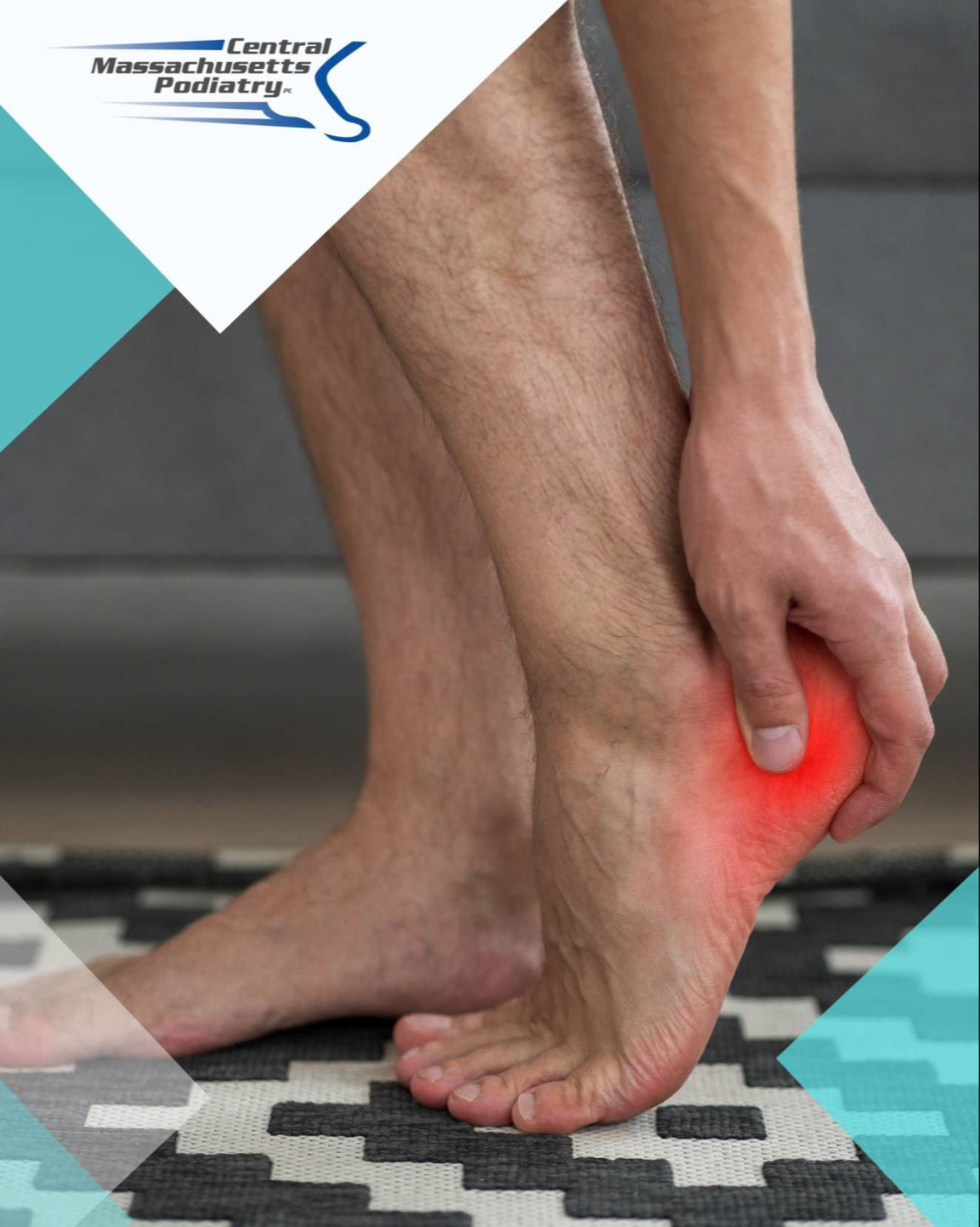
Can a Weak Core Cause Foot Pain?

When foot pain strikes, most people think that the problem starts in the feet themselves. While that is usually true, the body is more connected than many realize. The way you move, walk, or stand, depends on multiple muscles, including your core.
Your core includes the muscles around your abdomen, lower back, hips, and pelvis. These muscles help stabilize your body and support proper movement. When the core is weak, other areas, including your feet and ankles, may have to work harder to compensate.
How Can a Weak Core Affect Your Feet?
Your core serves as the foundation for movement. Every step you take relies on the coordinated effort of your core, hips, legs, and feet.
When core muscles are weak, your body may struggle to maintain proper posture and stability. This can lead to changes in the way you walk or run. For example, you may place more stress on one side of your body, overpronate, or compensate with your feet and ankles to maintain balance.
These altered movement patterns can increase strain on the tissues of the feet and lower legs. Over time, this additional stress may contribute to common conditions such as plantar fasciitis, Achilles tendon pain, and other overuse injuries.
Check out this video to learn more about the connection between core weakness and foot pain.
What Are the Signs That Core Weakness May Be Contributing to Foot Pain?
It is not always easy to tell whether core weakness is playing a role in foot pain. However, there are several signs that may suggest a broader movement issue is involved.
One common sign is recurring foot pain that continues to return despite trying treatments such as stretching, supportive footwear, or rest. If symptoms keep coming back, there may be an underlying factor that has not been addressed.
Poor balance or instability during everyday activities can also indicate weakness in the core and supporting muscles. You may notice difficulty standing on one foot, feeling unsteady on uneven surfaces, or struggling with certain exercises.
Changes in your walking or running pattern may be another clue. Some people develop an altered gait without realizing it, which can place additional stress on the feet, ankles, and lower legs.
Frequent overuse injuries, including recurring plantar fasciitis, Achilles tendonitis, shin pain, or ankle discomfort, may also point to movement imbalances that originate higher up the kinetic chain.
Conclusion
Foot pain is not always just a foot problem. The strength and stability of your core can influence the way you move, distribute weight, and absorb impact throughout your body.
If you have been dealing with persistent foot pain, it may be worth considering whether underlying movement issues are contributing to the problem. Get a comprehensive evaluation at Central Massachusetts Podiatry. Our highly experienced podiatrist can help determine the root cause of your foot or heel pain and recommend a treatment plan for you. Schedule a consultation now.
To learn more about foot and heel pain, watch our free webinar: Healing the Heel.