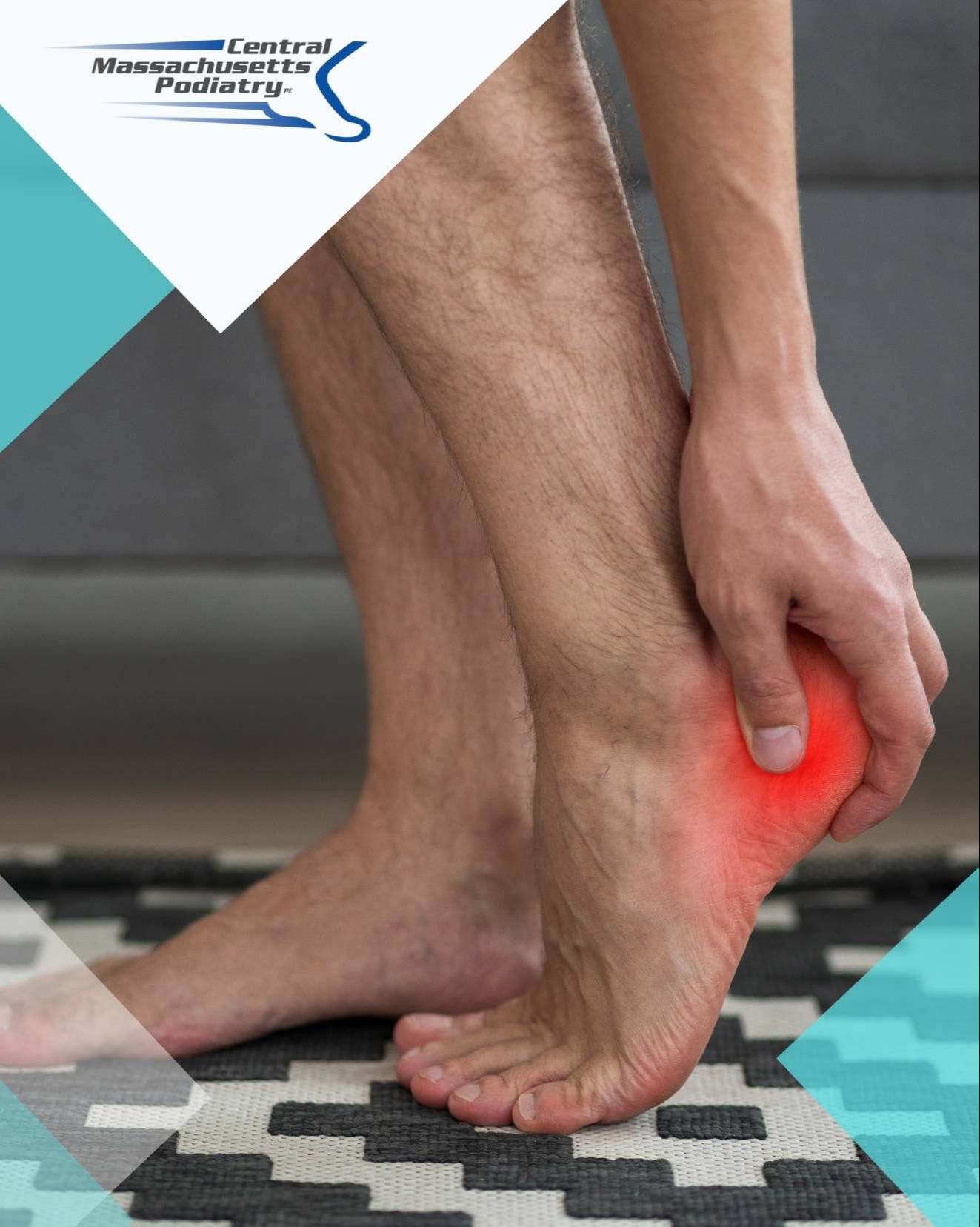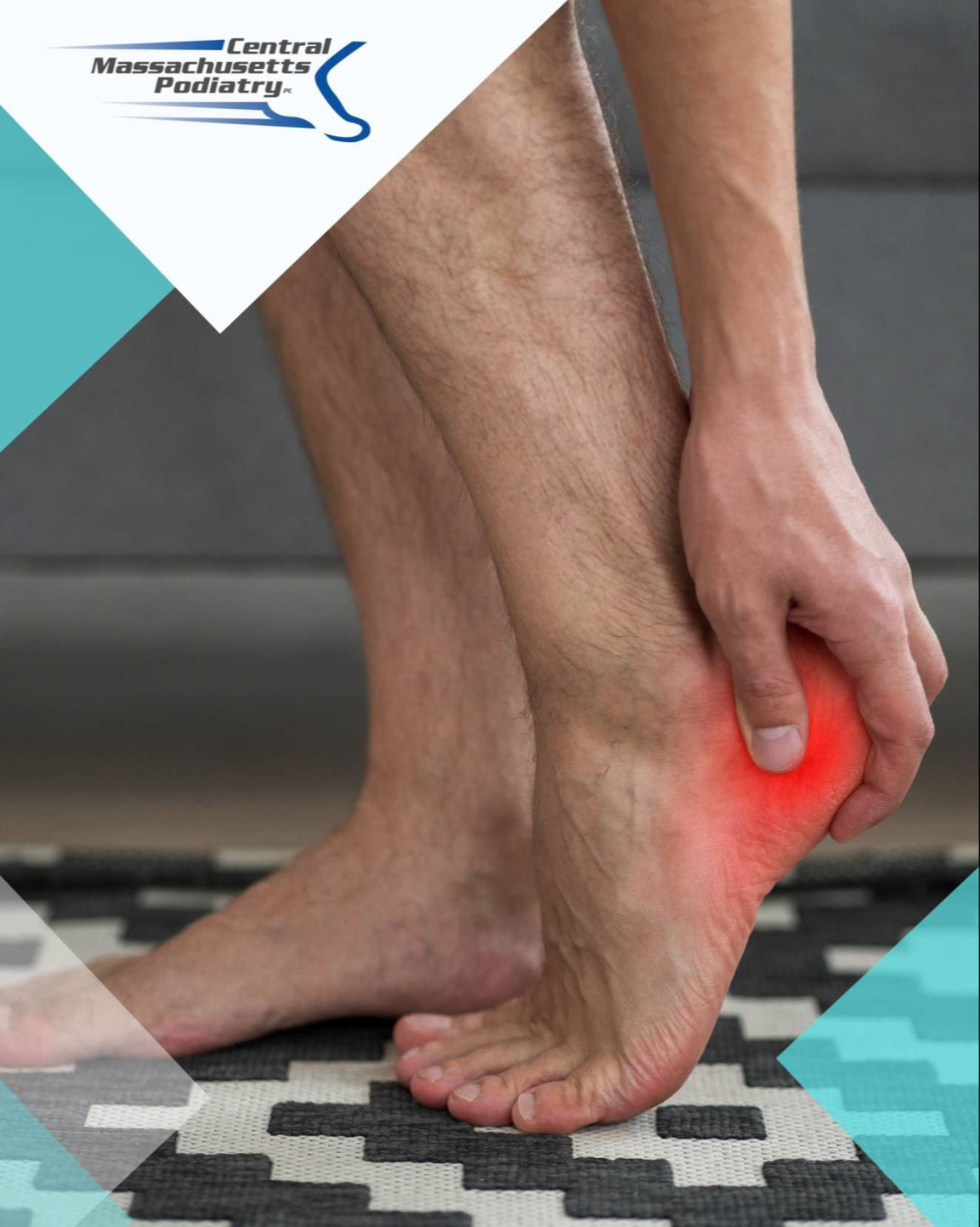
How Do I Know If My Heel Pain Is Serious?

Whether heel pain starts after a long day on your feet, a workout, or seemingly out of nowhere, heel discomfort gets in the way of daily activities. Some cases improve with Rest, Ice, Compression, Elevation (RICE) method, supportive footwear and simple at-home care. However, persistent or worsening pain can sometimes be a sign of an underlying foot condition that requires professional evaluation and treatment.
Signs Your Heel Pain May Be More Serious Than a Minor Ache
Not all heel pain is cause for concern, but certain symptoms should not be ignored. If you experience any of the following warning signs, it may be time to seek medical attention:
1. Severe or Intense Pain
If it makes it difficult to put weight on your foot or you feel a sharp, intense pain, it may indicate something more serious. Significant pain can sometimes be associated with injuries, inflammation, or structural damage within the foot.
2. Swelling Around the Heel
Visible swelling is often a sign that the body is responding to an injury or inflammatory condition. Swelling that persists or worsens may indicate issues involving the tendons, bursae, or surrounding soft tissues.
3. Pain That Continues to Get Worse
Mild heel discomfort should gradually improve with rest and reduced activity. If your pain continues to increase over time instead of getting better, an underlying condition may be progressing and should be evaluated by a podiatrist near you.
4. Numbness or Tingling Sensations
Heel pain accompanied by numbness, tingling, burning, or unusual sensations may suggest nerve involvement. Nerve-related conditions can affect both comfort and function, making proper diagnosis especially important.
5. Sudden Heel Pain Without Warning
Pain that develops suddenly, especially during physical activity or after an injury, should not be ignored. A sudden onset of heel pain may be linked to tendon injuries, stress-related damage, or other conditions.
What Conditions Could Be Causing Persistent Heel Pain?
Chronic or recurring heel pain can have several possible causes. Because many conditions produce similar symptoms, obtaining an accurate diagnosis is often the first step toward effective treatment.
**Plantar Fasciitis -** It occurs when the thick band of tissue along the bottom of the foot becomes irritated or inflamed. This foot condition often causes pain near the heel and may become more noticeable after periods of rest or increased activity.
**Achilles Tendonitis -** The Achilles tendon connects the calf muscles to the heel bone. Repetitive stress, overuse, or sudden increases in activity can lead to irritation and inflammation of this tendon, causing pain at the back of the heel.
**Stress Fractures -** Small cracks in the bone, known as stress fractures, can develop from repetitive impact and overuse. These injuries often cause pain that worsens during activity.
Heel Bursitis - Bursae are small fluid-filled sacs that help reduce friction around joints and tendons. When a bursa near the heel becomes irritated or inflamed, it can lead to tenderness, swelling, and ongoing discomfort.
**Nerve-Related Conditions -** Certain nerve conditions can cause heel pain along with numbness, tingling, burning sensations, or radiating discomfort. Because nerve-related symptoms can resemble other foot problems, a thorough evaluation is important to identify the true source of the pain.
Conclusion
Knowing when heel pain may be more than a minor ache can help you avoid prolonged discomfort and prevent further problems. If your heel pain has been lingering or is affecting your daily activities, seeking professional care can help you get answers and start the right treatment sooner.
At Central Massachusetts Podiatry, our highly experienced podiatrists can help assess your unique situation and tailor a treatment for your heel pain, plantar fasciitis, or other foot conditions, based on your needs. Schedule an appointment now.
If you want to learn more about heel pain, Sign Up to our upcoming FREE Healing the Heel Webinar hosted by our board-certified podiatrist, Dr. Donald Pelto. Hurry, limited slots only.