Your Guide to Night Splints for Plantar Fasciitis & Achilles Tendonitis

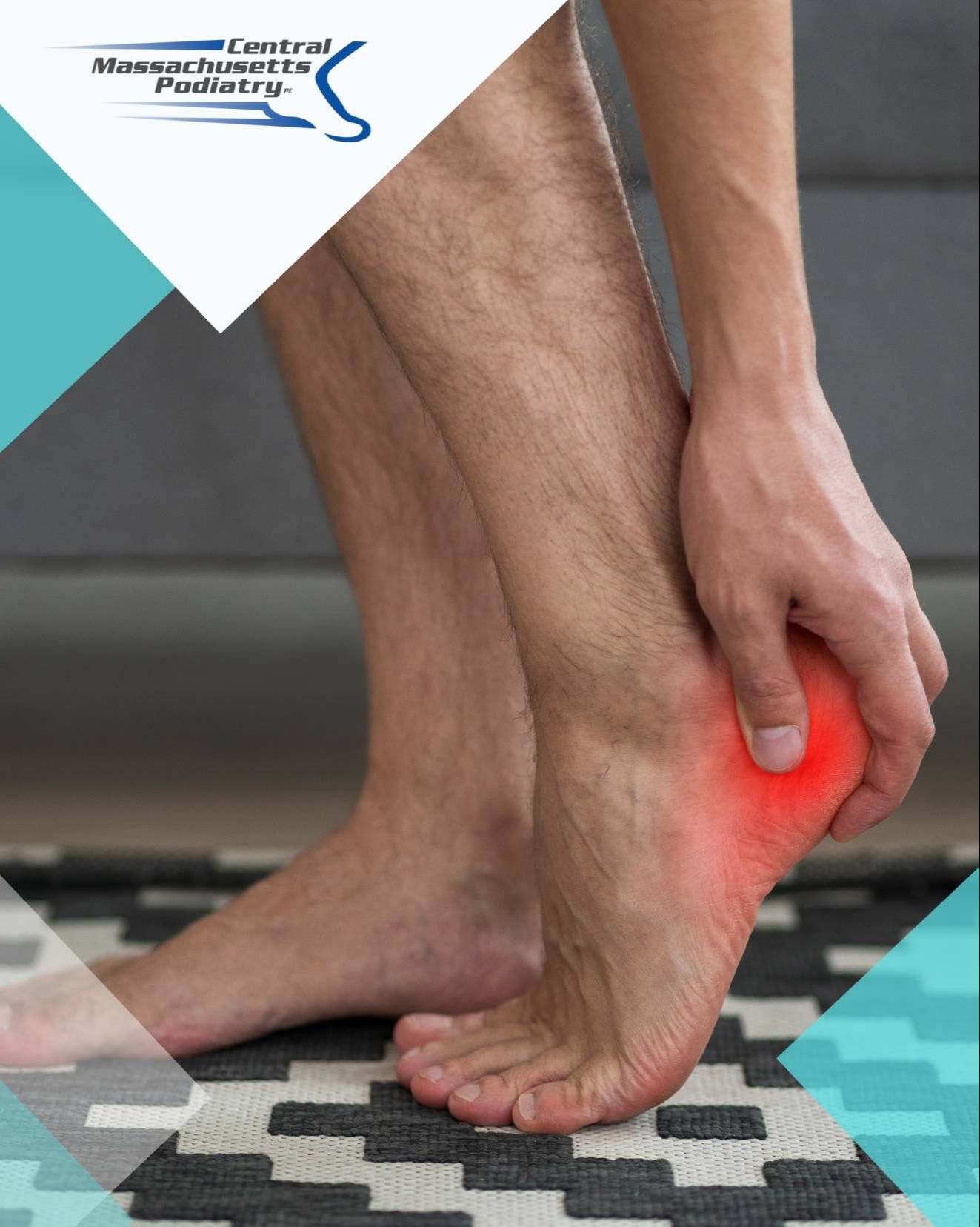
Heel pain or ankle stiffness can be frustrating, especially when waking up in the morning starts with discomfort. For foot conditions like plantar fasciitis (heel pain) or achilles tendonitis, your podiatrist may recommend that you use a night splint. It gently stretches the foot overnight, helping reduce the painful step of the day.
Many patients worry about how to wear them, if they’re uncomfortable, or if sleeping in them is necessary. This guide breaks it all down simply, so you know exactly what to expect.
How to Use a Night Splint Correctly?
Night splints are most effective when worn for about 3 hours each day. It shall be used while you’re sleeping. However, some people feel it’s cumbersome and kick it while they sleep. If you’re having a hard time wearing them, you may use them in the evening while sitting or relaxing.
They are not built for walking, so always remove the splint before standing or moving around. If both feet are affected, it’s best to use a splint on each foot to ensure both get enough stretching time.
The effectiveness of night splints depends on consistency of use together with other treatments as advised by your podiatrist.
Troubleshooting Common Issues
Numb Toes or Tingling: This is common and usually caused by too much pressure.
- Remove the small front block (often called the “cheese wedge”).
- Loosen the side straps slightly. Your foot should feel supported, not squeezed.
Discomfort or Pain While Wearing: If it hurts or causes tingling, these might be signs that something’s too tight.
- Take it off immediately. A splint should stretch and not compress your foot. Wearing it incorrectly can cause harm.
When can I stop wearing it: Once your morning pain or stiffness has significantly improved, and your podiatrist confirms progress, you may begin tapering off. Don’t stop too early. Consistent use is key to healing.
General Comfort Tips
- Start slowly, around 30 minutes at first, then build to 3 hours.
- Adjust straps so it feels snug, not restrictive.
- Try wearing socks underneath to reduce rubbing.
- If it feels awkward at night, switch to daytime sitting use.
Conclusion
Night splints for plantar fasciitis and Achilles tendonitis can make a real difference, especially when used correctly and consistently. It’s normal to feel a bit awkward at first, but small adjustments often solve most discomfort issues.
If something doesn’t feel right, don’t push through pain. We’re here to help you feel better, not frustrated. At Central Massachusetts Podiatry, our podiatrists will guide you throughout your treatment journey. From diagnosis to tailored treatment plant, and recovery, we’re here to help you make a smooth healing process. For personalized advice, schedule a consultation today.
Related Blogs

Plantar Fasciitis: How to Tell If You Have It and What You Can Do About It
Do you feel a sharp, stabbing pain in your heel when you…

Plantar Fasciitis Treatment Process
This is my current treatment process for patients with…

When to See a Doctor for Achilles Tendonitis?
Achilles tendonitis is a condition that affects the band of tissue…