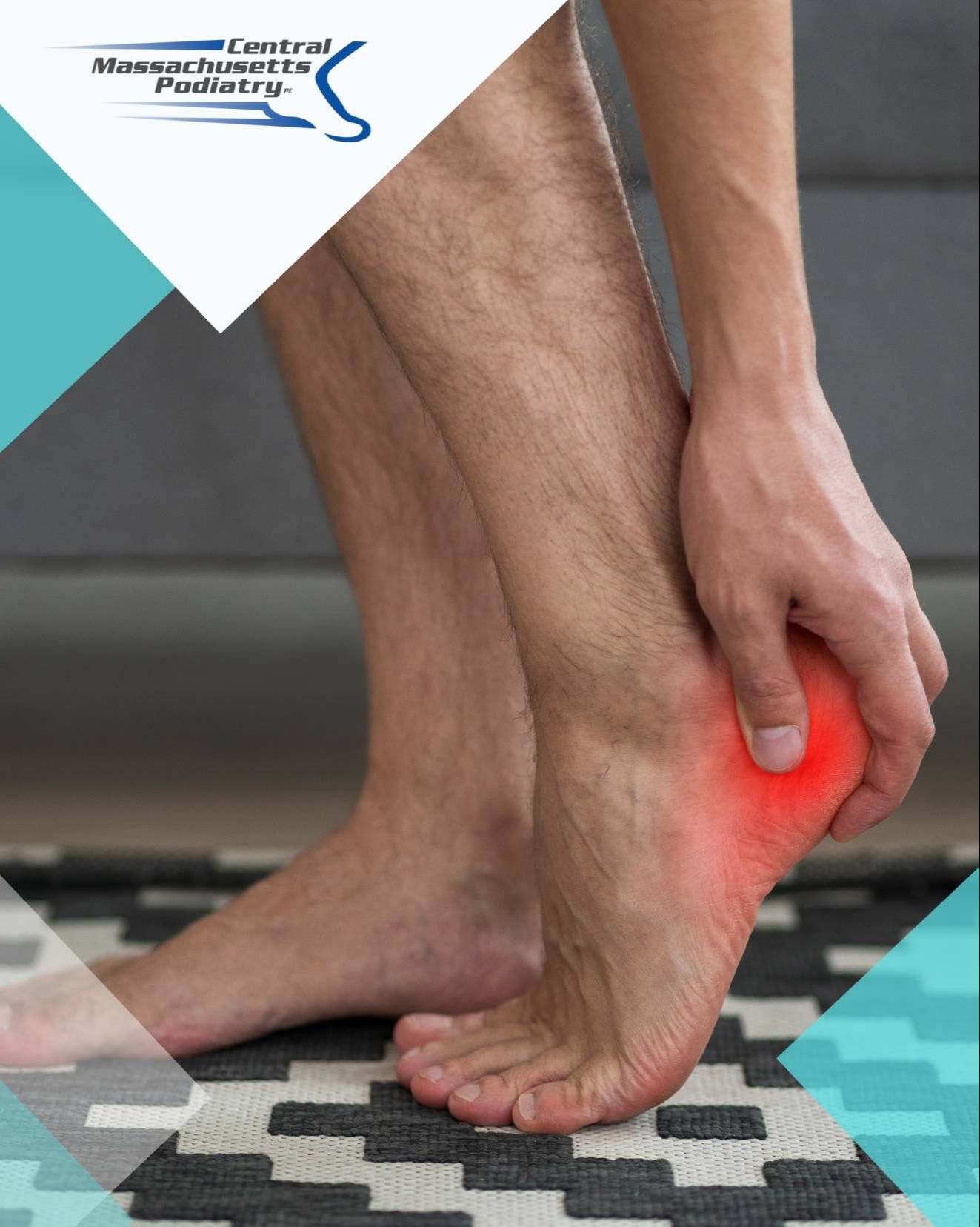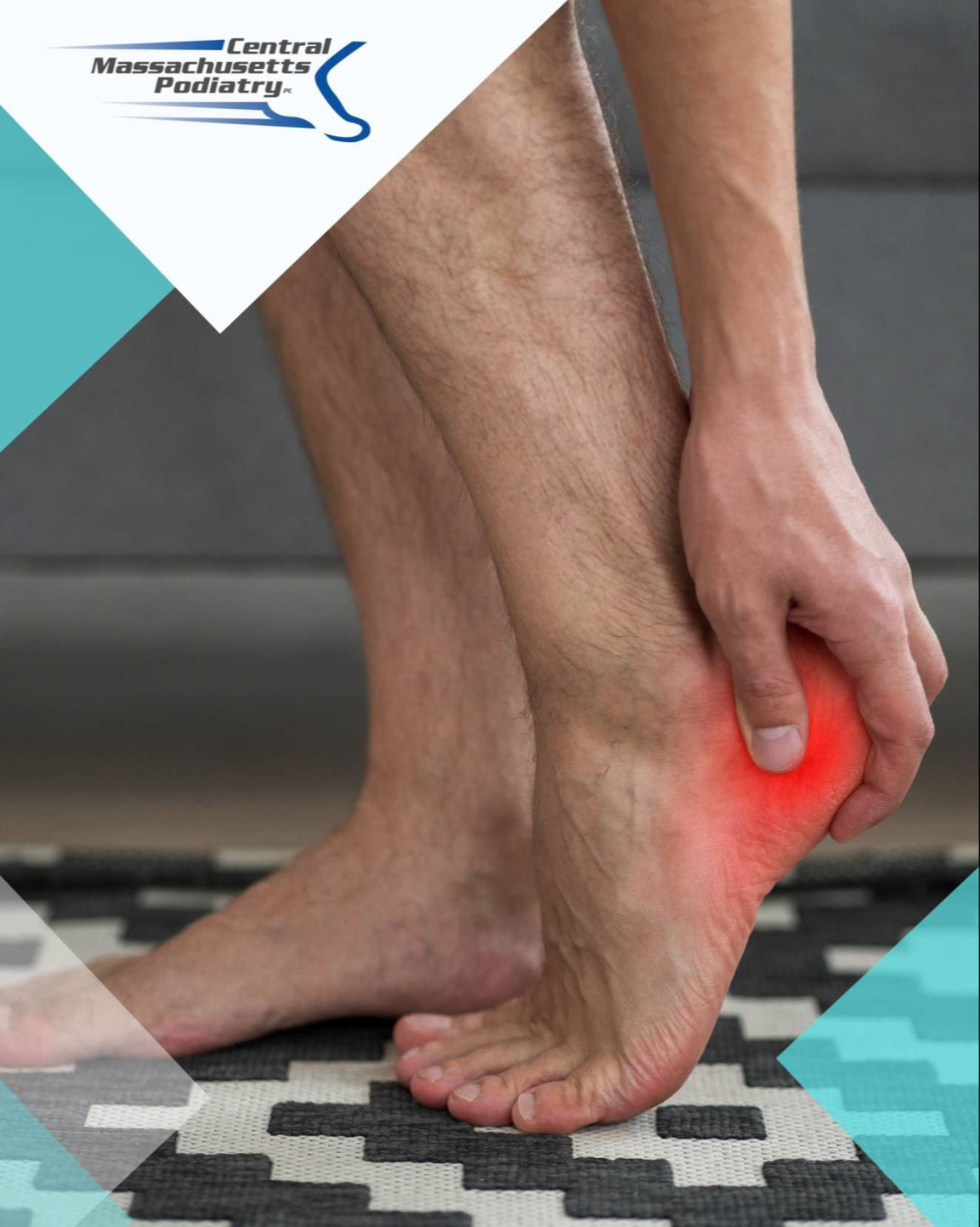
Plantar Fasciitis & Achilles Tendonitis: What Actually Works (Podiatrist Guide)

Heel Pain That Won’t Go Away? Here’s What Actually Works
Dealing with heel pain for weeks or even months? You don’t have to live with pain. There are several treatments that actually work to help you get back on your daily activities.
Conditions like plantar fasciitis and Achilles tendonitis affect many people. Some tried stretching, ice, inserts, massage tools, even injections, but the pain keeps coming back.
So what’s actually going on?
In this lecture from Dr. Pelto, a trusted podiatrist and foot & ankle surgeon in Massachusetts, discusses the causes and treatments of heel pain.
The Real Problem: It’s Not Just Inflammation
Most people think heel pain is just inflammation. Actually, it’s NOT.
In many cases, especially when symptoms last longer than a few weeks, the real issue is tissue damage.
Over time, the plantar fascia or Achilles tendon can:
- Become thickened
- Lose elasticity
- Develop micro-tears
- Heal improperly
This is called degeneration, not just inflammation. And that’s why basic treatments stop working.
Why Most Treatments Fail
Here’s what typically happens:
- Pain starts → you stretch or rest
- Pain improves → you return to activity
- Pain returns → you try something else
- Cycle repeats
This creates a frustrating pattern where you treat your symptoms, but never fix the underlying problem.
The $300 / 3-Month Rule
A simple rule I tell my patients:
“If you’ve spent more than $300 or 3 months trying to fix your heel pain—and it’s still there—it’s time to change your approach.”
Many patients come in with:
- Multiple shoe inserts
- Massage tools
- Night splints
- Online programs
But without a structured plan and personalized treatment plan, these rarely solve the issue.
The “Symptom vs Dysfunction” Model
One of the most important concepts to understand:
You can have dysfunction without pain.
But once enough stress builds up, you cross into symptoms.
Common contributors include:
- Tight calf muscles
- Flat feet or pronation
- Increased activity (running, pickleball, walking vacations)
- Shoe changes
- Aging tissue
You might not notice that the problem has been building for years because the pain just appears suddenly.
Acute vs Chronic Heel Pain (This Changes Everything)
Acute (under ~6–8 weeks)
- Tissue still healthy
- Responds well to stretching and physical therapy
Chronic (over 3 months)
- Tissue has changed
- Thickened, less elastic
- Needs different treatment
People experiencing heel pain over 3 months, mostly get stuck. They might get confused on what to do, why treatment isn’t responding or the pain keeps coming back.
What Actually Works: A Step-by-Step Approach
Phase 1: Reduce Stress & Tightness
Start with:
- Supportive shoes
- Activity modification
- Calf stretching
- Foam rolling
- Night splint
These help reduce strain—but often aren’t enough alone.
Phase 2: Treat the Tissue
If symptoms persist:
- Diagnostic evaluation (often ultrasound)
- Targeted treatments to stimulate healing
- Address structural issues
One key principle:You must improve the quality of the tissue—not just reduce pain.
Why Cortisone Often Fails
Cortisone injections can reduce pain temporarily. But they do not repair the tissue. That’s why many patients feel better, then worse again. Depending on your specific condition, a combination treatment might be needed for optimal results.
How Long Does It Take to Heal?
Many patients expect fast results—but healing takes time.
For chronic cases:
- Improvement often starts around 5–6 weeks
- Continued healing occurs over 3–6 months
Please remember that the healing or recovery timeline is different from every individual.The goal is long-term resolution—not quick temporary relief.
When Should You See a Specialist?
You should consider seeing a podiatrist if:
- Pain lasts longer than 6–8 weeks
- Symptoms keep coming back
- You’re limping or limiting activity
- You’ve tried multiple treatments without success
Early assessment and tailored treatment plan is always better to keep you comfortable again.
The Bottom Line
Heel pain is common—but it’s often misunderstood. Most failed treatments come down to one issue: Treating symptoms instead of the underlying tissue problem.Once you understand the difference—and follow a structured plan guided by your doctor—you can finally break the cycle and get back to normal activity.
You don’t need more treatments. You need the right treatment at the right time.
Want a Clear Plan to Fix Your Heel Pain?
- If you’re tired of guessing and trying random treatments, get a step-by-step plan tailored to your condition. At Central Massachusetts Podiatry, we offer same or next-day appointments, clear diagnosis and structured treatment approach based on your unique needs. Schedule your consultation now.