Who Is Most Prone to Plantar Fasciitis?

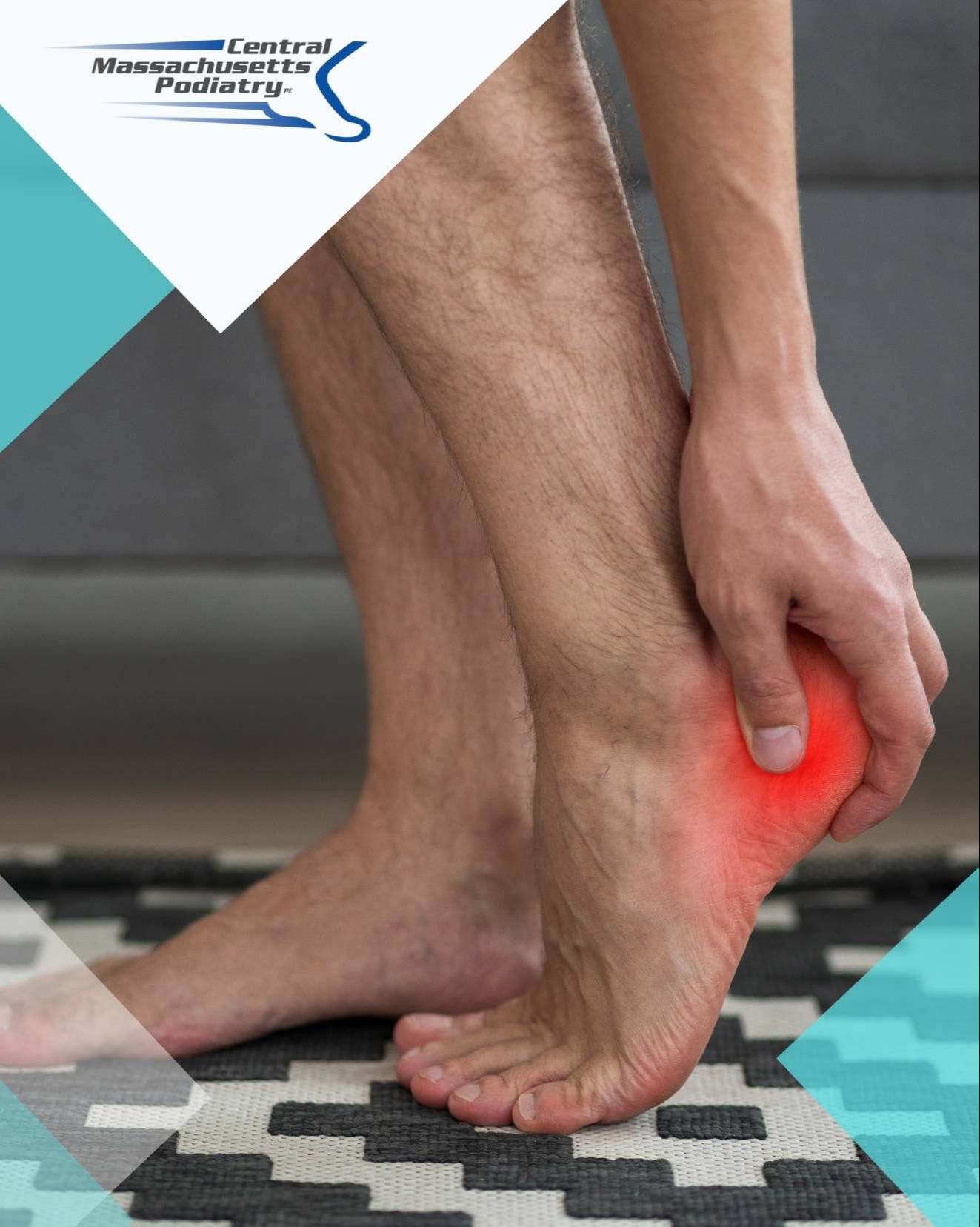
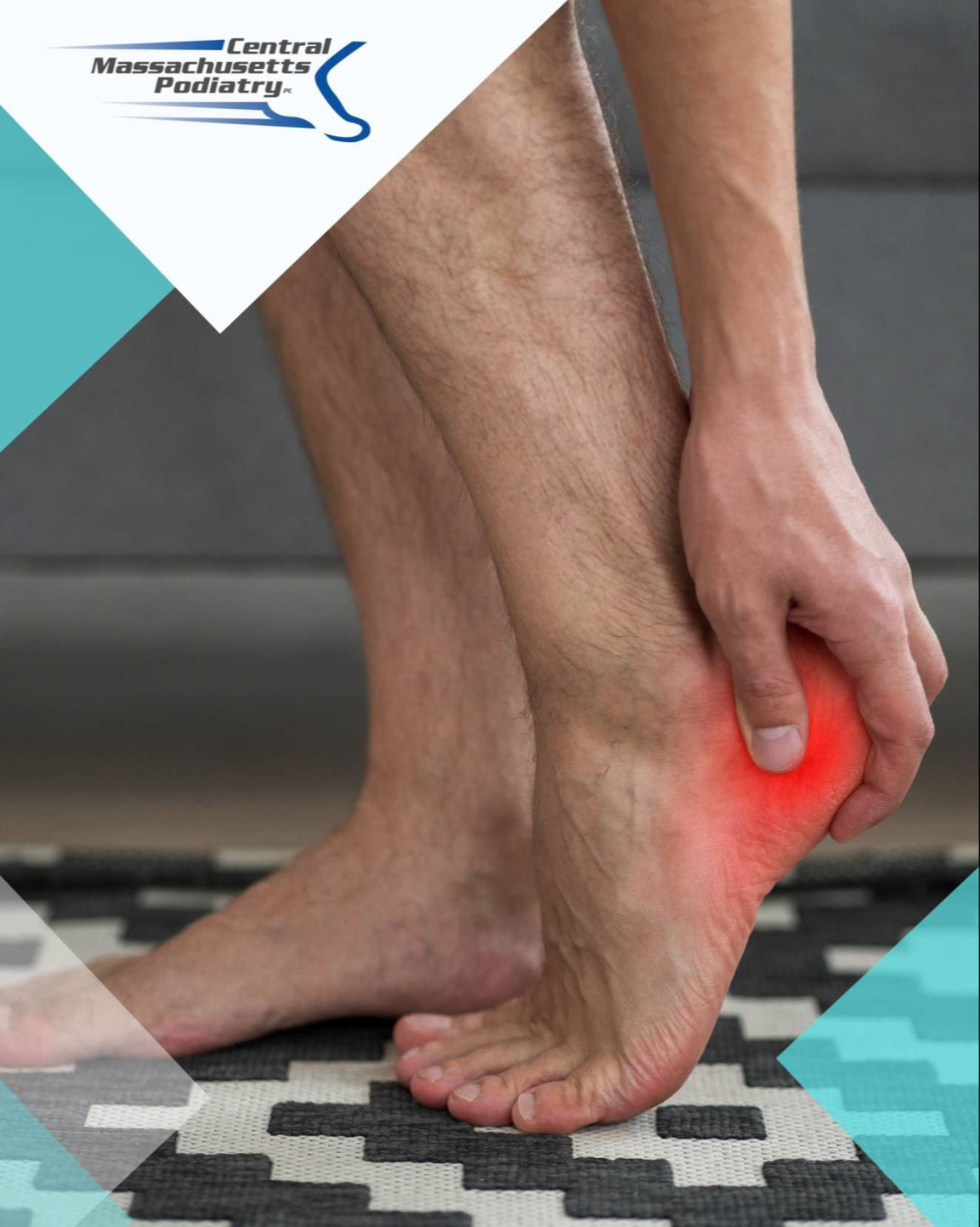
Plantar fasciitis, a foot condition when plantar fascia becomes irritated or inflamed, can affect just about anyone. However, certain lifestyle habits, activity levels, and foot characteristics can make some people more likely to develop it. Understanding these risk factors can help you catch symptoms early and take steps to prevent more persistent heel pain.
Am I at Risk for Plantar Fasciitis?
Some people are more likely to develop plantar fasciitis due to various factors. You may be at higher risk if you identify with any of the following below. It is important to get a proper diagnosis to determine if you have Plantar Fasciitis or other foot condition.
-
People who spend long hours standing or walking at work
Jobs that require being on your feet all day, such as healthcare workers, teachers, retail staff, or warehouse employees, can place repeated stress on the heel.
-
Runners, athletes, or individuals who participate in high-impact activities
Running, jumping, and other repetitive impact sports can strain the plantar fascia, especially if training increases too quickly.
-
Adults in certain age groups
Plantar fasciitis is most common in adults between 40 and 60, when tissues naturally lose some elasticity and recovery slows down.
-
Individuals with flat feet, high arches, or abnormal foot mechanics
Foot structure plays a big role in how weight is distributed. When the mechanics are off, the plantar fascia can take on extra stress.
-
People who have recently increased their activity level
Sudden changes, like starting a new workout program or increasing walking distance, can overload the tissue before it has time to adapt.
-
Those wearing unsupportive or worn-out footwear
Shoes without proper arch support or cushioning can contribute to strain on the heel, especially on hard surfaces.
-
Individuals with excess body weight
Additional weight or obesity increases pressure on the feet with every step, which can contribute to irritation of the plantar fascia over time.
What Can You Do If You're Experiencing Heel Pain?
If you're noticing heel pain, early attention can make a big difference. Here are simple steps that may help:
- Wearing supportive shoes with good arch support and cushioning
- Reducing or modifying high-impact activities temporarily
- Incorporating gentle stretching for the calves and feet
- Avoiding walking barefoot on hard surfaces
- Applying ice to reduce irritation after activity
Sometimes, small changes in daily habits can significantly reduce stress on the heel and improve symptoms over time. However, if heel pain continues for more than a few weeks, worsens in the morning, or begins to interfere with daily activities, it may be time for a professional evaluation by a podiatrist.
Conclusion
Plantar fasciitis can affect a wide range of people, especially those with certain activity levels, work demands, foot structures, or footwear choices. While it’s common, it’s also manageable when recognized early.
If you’re looking for a plantar fasciitis treatment near you in Worcester, Westborough or surrounding communities, reach out to Central Massachusetts Podiatry. Our highly experienced podiatrist can assess your situation, confirm the cause of pain, and recommend a targeted treatment plan. Schedule an appointment today.