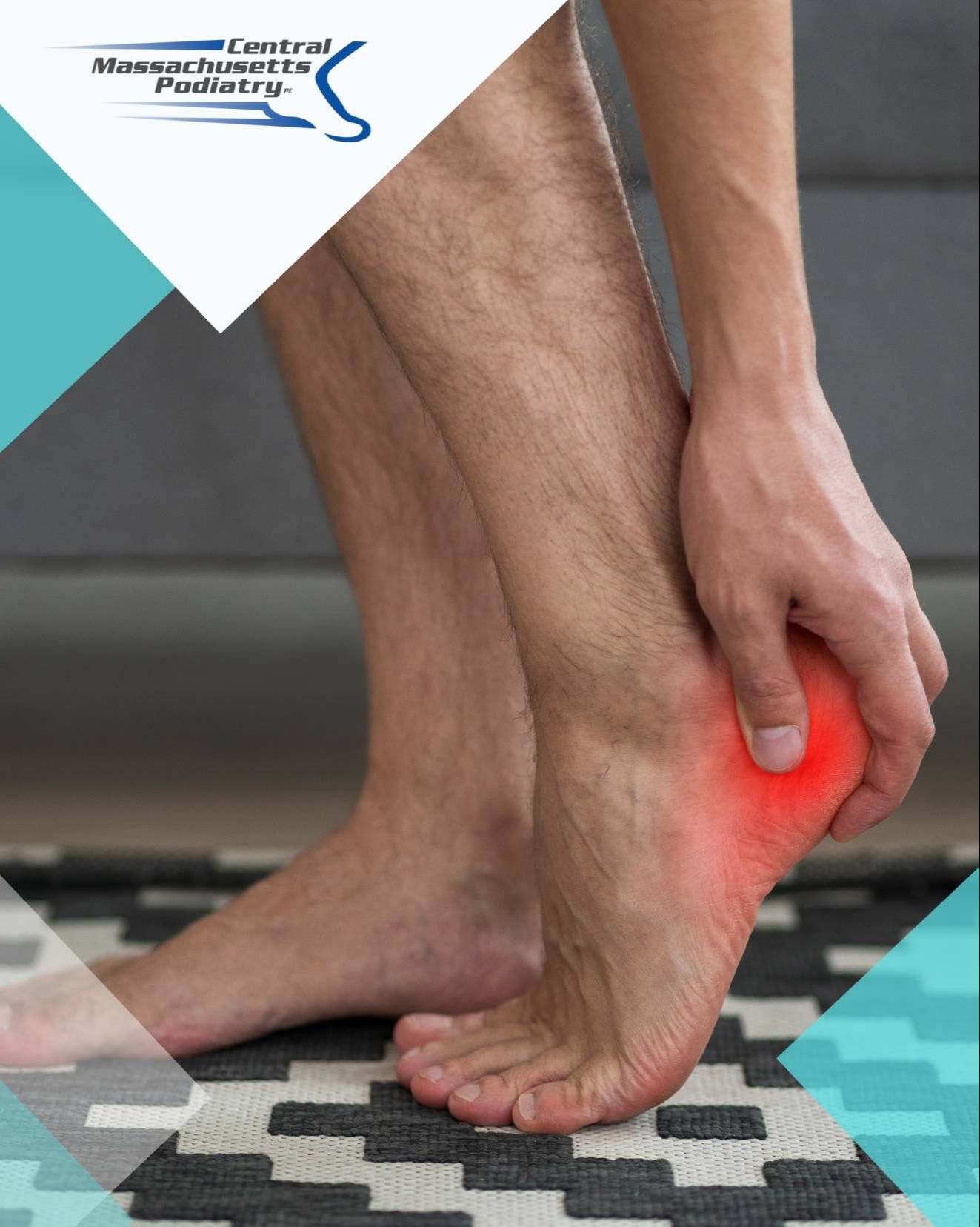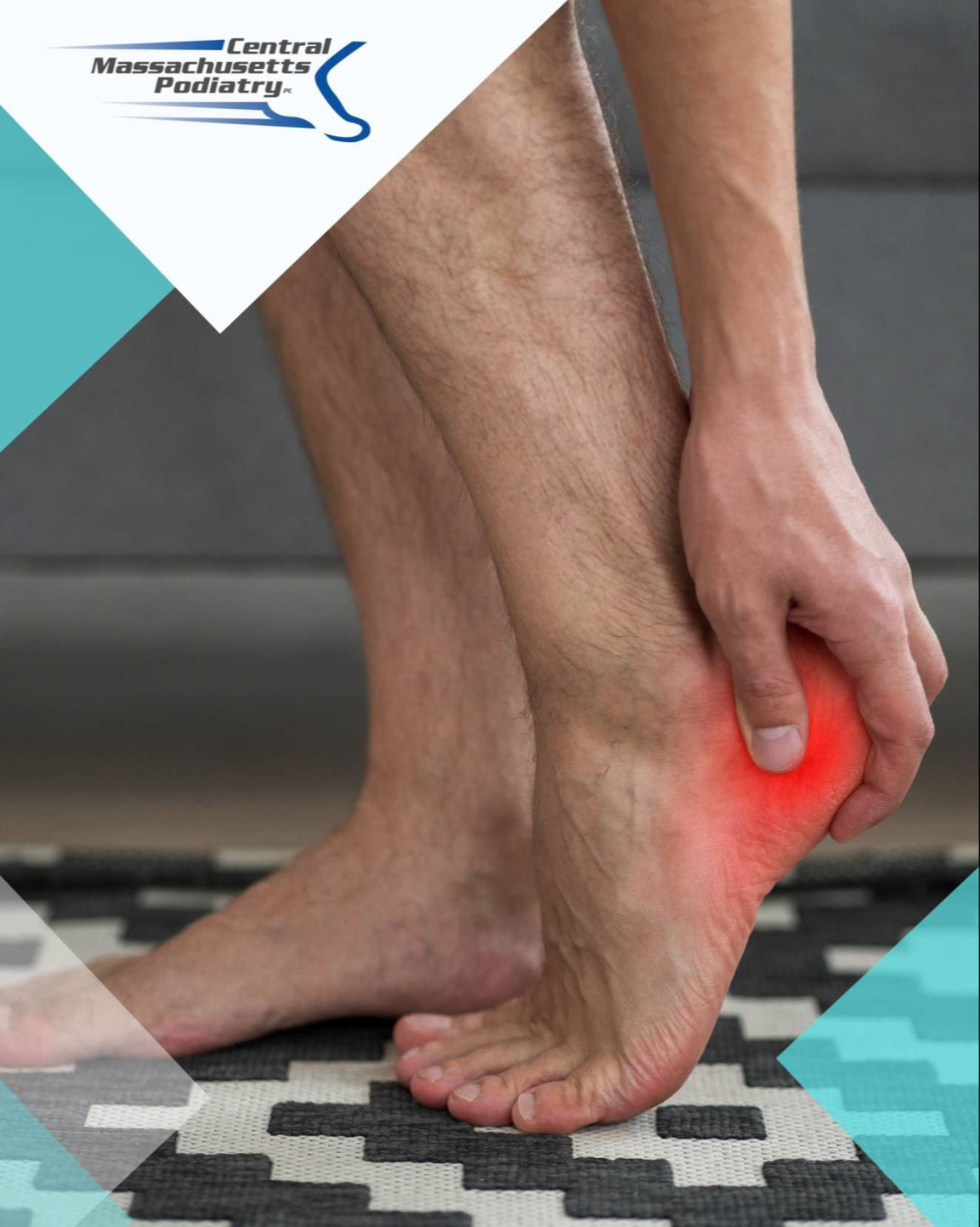
What Causes Achilles Tendon Thickening?

Connecting your calf muscles to your heel, the Achilles tendon plays a critical role in walking, running, climbing stairs, and nearly every movement that involves your foot. It handles a significant amount of force everyday, making it vulnerable to stress and injury.
Achilles tendon thickening is usually a finding in people who have been dealing with Achilles tendon pain for an extended period of time. In many cases, the tendon gradually becomes larger and less flexible as it responds to repeated stress or damage.
What Is Achilles Tendon Thickening?
Achilles tendon thickening occurs when the tendon becomes larger and wider than normal, usually after being exposed to repeated stress over time. This is often a sign that the tendon is struggling to heal properly from ongoing irritation or injury.
Common signs of a thickened Achilles tendon include:
- Swelling or feeling of “thickness” around the Achilles tendon
- Pain or tenderness in the tendon
- Stiffness that improves with movement
- Tightness in the calf or Achilles area
- Discomfort during walking, running, or exercise
A thickened tendon may not stretch and absorb force as well as a healthy tendon, which can make movement less comfortable and increase the risk of further injury.
A podiatrist can diagnose Achilles tendon thickening through a physical examination and a review of your symptoms. In some cases, imaging studies such as ultrasound or MRI may be recommended to evaluate the extent of the tendon changes and rule out partial tears or other conditions.
Check out this video to learn more about similar cases of Achilles tendon thickening.
What Should You Do If You Have a Thickened Achilles Tendon?
If you have a thickened Achilles tendon, it is important to identify and address the underlying cause rather than simply trying to manage the pain. Without proper treatment, the tendon may continue to weaken over time, potentially increasing the risk of more serious injury.
Depending on the severity of the condition, treatment options may include:
- Activity modification to reduce excessive strain
- Stretching and strengthening exercises
- Physical therapy
- Custom orthotics when biomechanical issues are contributing
- Shockwave therapy for chronic tendon pain
Your treatment plan may vary based on the assessment of your podiatrist. Early evaluation is important to help identify tendon damage before it progresses further.
Conclusion
Achilles tendon thickening is commonly caused by chronic stress, overuse, tendon degeneration, and biomechanical factors that place excessive strain on the tendon over time. While the condition often develops gradually, it should not be ignored, as ongoing tendon changes can affect mobility, comfort, and overall function.
To learn more about heel and Achilles tendon pain, watch our FREE informative webinar: Heel Pain Webinar
If you're experiencing persistent Achilles pain or have noticed a thickened tendon, schedule an appointment with Central Massachusetts Podiatry for a comprehensive evaluation and personalized treatment plan. Make an appointment now.