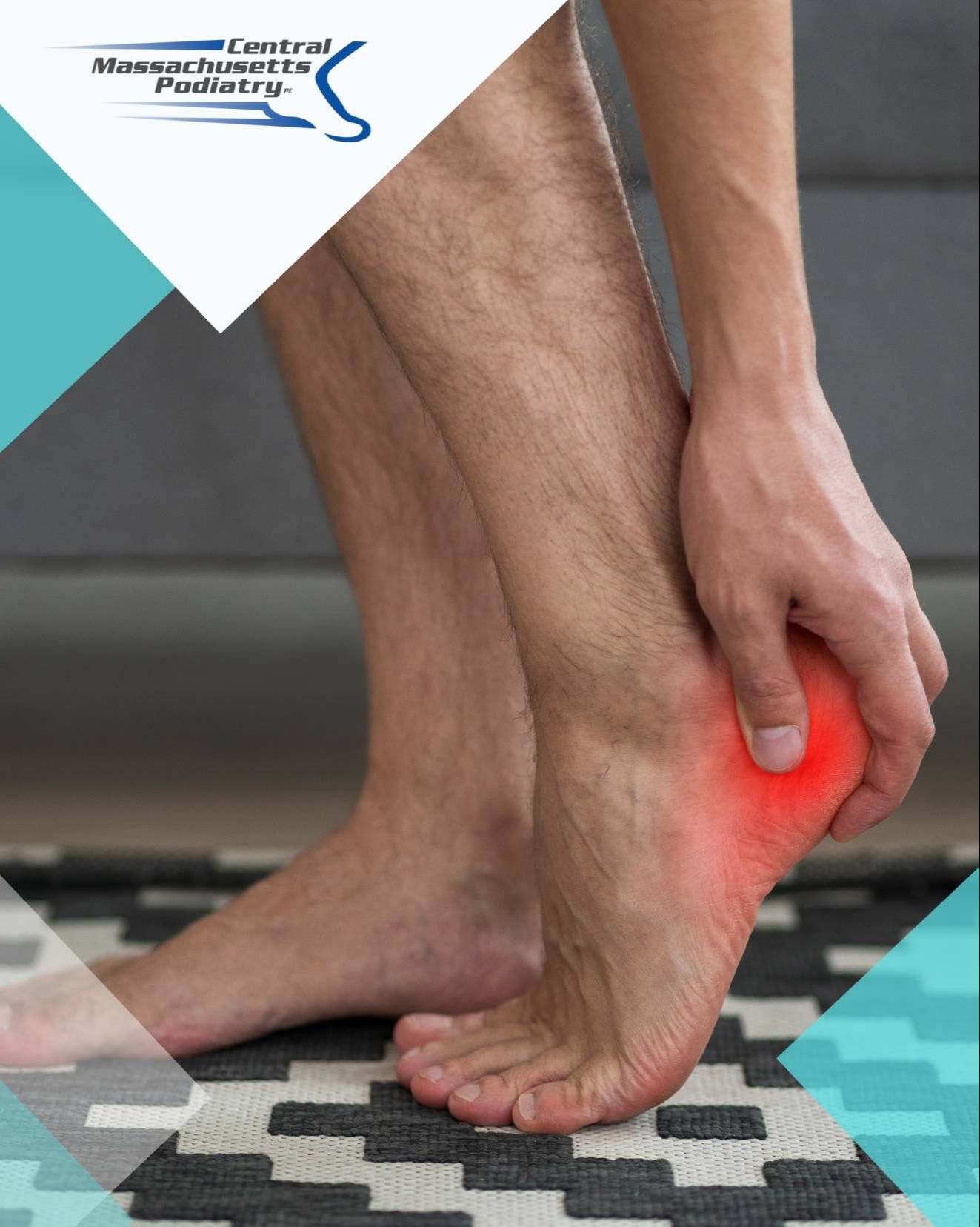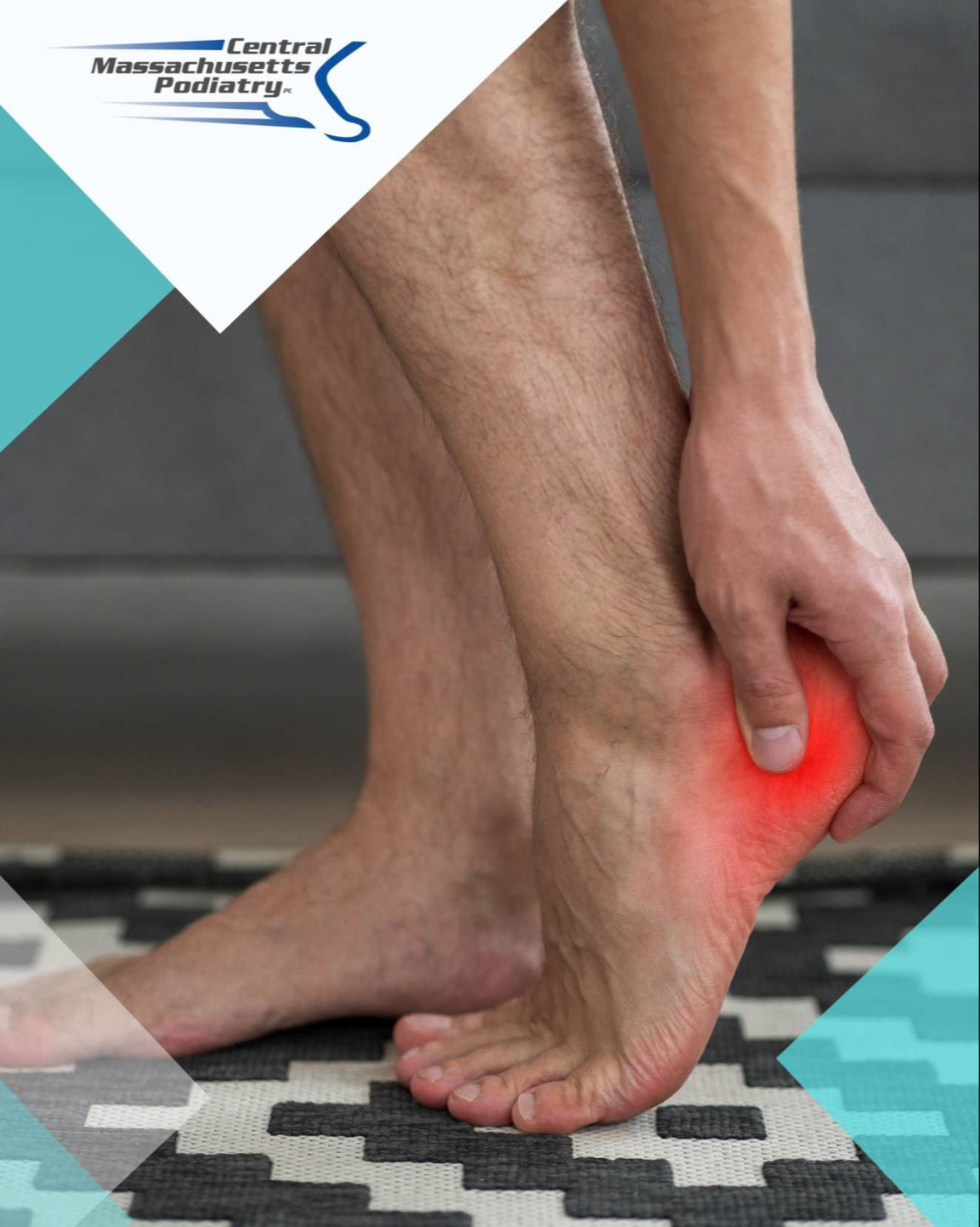
Is Walking Good or Bad for Plantar Fasciitis Pain?

If you’re suffering from heel pain, you’ve probably asked if you should keep walking, or would that make things worse? It’s one of the most common questions patients have in mind. Plantar fasciitis can be unpredictable. Some days, walking feels fine. Other days, even a short trip across the room can trigger sharp pain.
While there’s no direct answer, walking isn’t automatically “bad.” The right kind of movement may support healing, but the wrong kind can make things worse. Let’s break down how walking really affects plantar fasciitis, and how to do it safely.
How Walking Affects Plantar Fasciitis Pain?
Walking puts stress on the plantar fascia, the thick band of tissue that supports your arch and connects your heel to your toes. With plantar fasciitis, this tissue is already irritated or strained.
Depending on your specific condition, gentle, controlled walking with supportive footwear, can help maintain mobility and prevent stiffness.
Overuse walking, such as long walks, standing for extended periods, or sudden increases in activity can overload the plantar fascia. This can lead to more inflammation and increased heel pain, especially the next day.
Wearing unsupportive shoes, like flat sandals or worn-out sneakers or walking barefoot can worsen your heel pain.
How to Walk Safely When You Have Plantar Fasciitis
If you’re not sure whether to stay active, always consult your podiatrist. Here’s a general way to walk safely:
- Wear supportive footwear: Choose shoes with good arch support and cushioning. This helps reduce strain on the plantar fascia with every step.
- Avoid barefoot walking on hard surfaces: Tile, hardwood, and concrete floors can aggravate your symptoms. Even at home, supportive slippers or indoor shoes are helpful to manage the pain.
- Take shorter, more frequent walks: Instead of one long walk, break activity into smaller sessions. This reduces the risk of overloading the tissue.
- Stretch before you start moving: Tight calves and stiff foot muscles increase stress on the plantar fascia. Gentle stretching of the calves and bottom of the foot can help prepare your body for activity.
Key Takeaways
Walking doesn’t have to be off-limits when you have plantar fasciitis. The key is finding the right balance between staying active and avoiding overuse. Listen to your body—when heel pain is persistent, or interfering with your daily life, it’s not something you should ignore.
If you’re unsure what’s safe for your specific situation or looking for plantar fasciitis near you, reach out to Central Massachusetts Podiatry. Our highly experienced podiatrists in Worcester and Westborough can assess your foot pain and create a personalized treatment plan to get you back on your feet. Schedule an appointment today.