Is Cortisone Injection Good for Heel Pain?

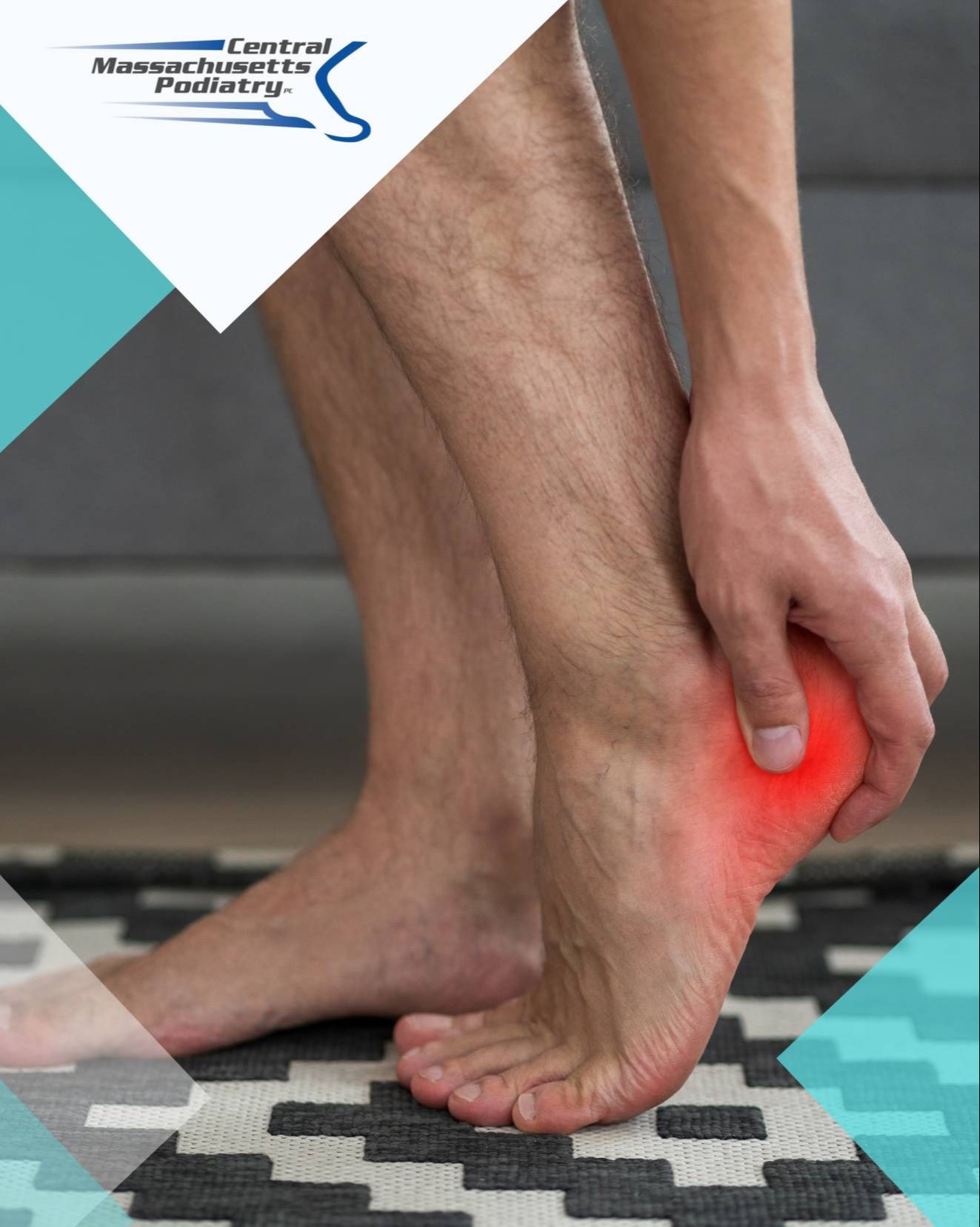
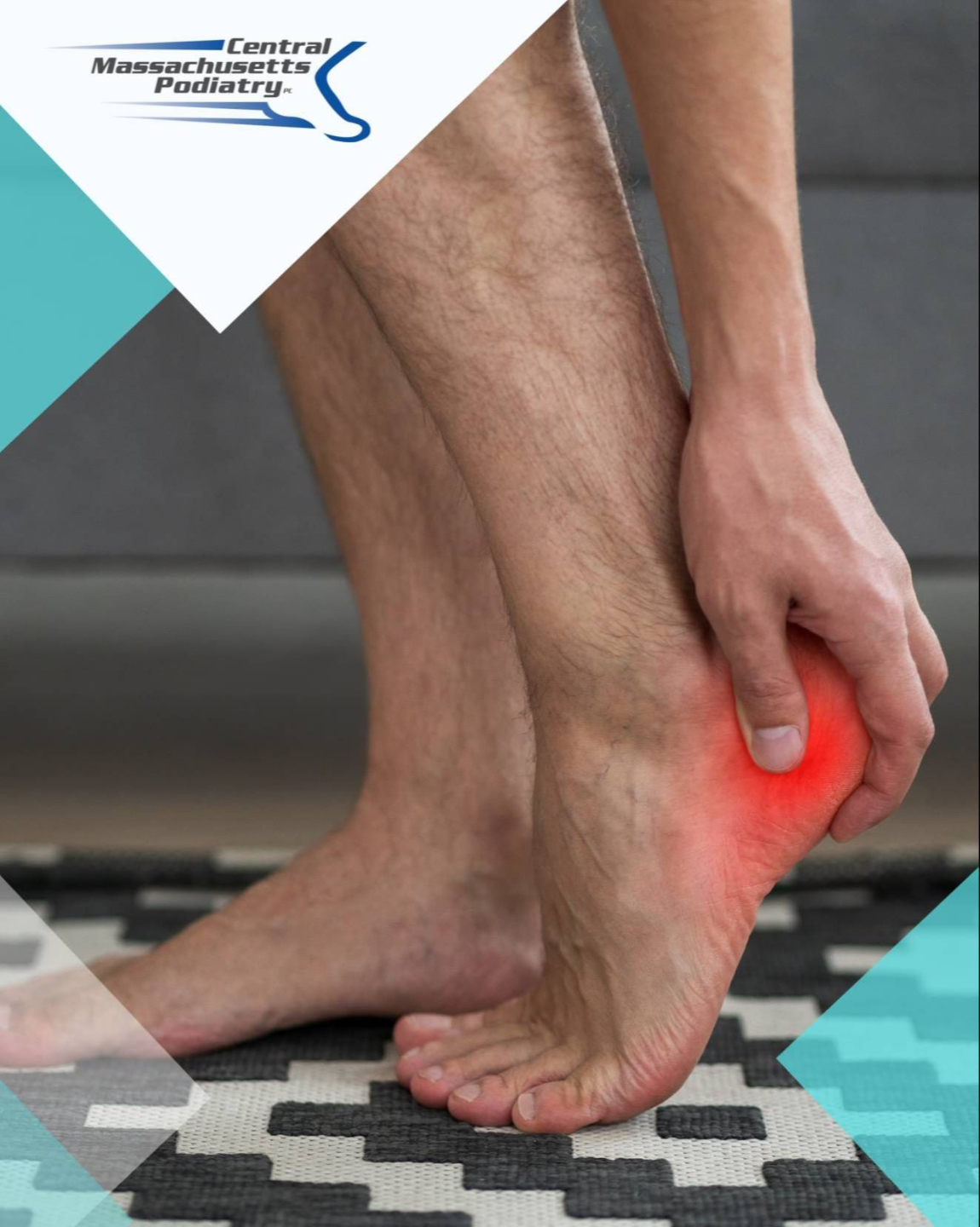
Whether you're walking through the grocery store, exercising, working on your feet, or simply getting out of bed in the morning, persistent heel pain can quickly become frustrating.
When pain doesn’t improve with rest or home remedies, some people may start looking for a faster way or instant solution to feel better. One treatment that often comes up is a cortisone injection.
Cortisone injections are sometimes recommended because they may help reduce inflammation and provide pain relief. Before deciding whether a cortisone injection is right for you, it's important to understand what's causing the pain in the first place. A professional assessment from your podiatrist will let you know if cortisone injections are the right solution for you or they may recommend other treatment based on your specific situation.
When Cortisone May Be Recommended
Cortisone is an anti-inflammatory medication that can be injected into specific areas of the foot and other parts of the body to help reduce pain and inflammation. In some cases, it may provide significant relief, especially when heel pain is interfering with daily activities.
A cortisone injection may be considered when heel pain is:
- Severe enough to limit walking, exercise, or other daily activities
- Affecting work responsibilities or making it difficult to stay active
- Creating challenges before an important event, vacation, athletic competition, or family commitment
- Preventing you from comfortably participating in activities that matter to you
In these situations, temporary pain relief may help improve comfort and function while a longer-term treatment plan is developed to address the underlying cause of the heel pain. It is important to understand that cortisone typically treats the inflammation and pain rather than the root cause of the condition.
Several foot and ankle conditions may contribute to heel pain, including, plantar fasciitis, Achilles tendinopathy and other tendon-related conditions. Heel pain has multiple causes that’s why a thorough evaluation is necessary to determine whether a cortisone is appropriate.
Watch this video to learn more about Cortisone Injections as “Event Cortisone”
What Are the Long-Term Alternative Solutions for Heel Pain?
It is understandable that people may have reasons for wanting to have a fast and temporary solution for their heel pain.
However, there are also available long-term solutions that provide lasting relief. Depending on your podiatrist’s diagnosis, here are some of the treatment options that may help:
- Stretching and Strengthening Exercises - Targeted stretching and strengthening exercises may help improve flexibility, support healing, and reduce the likelihood of recurring symptoms.
- Supportive Footwear - Wearing supportive shoes that match your activity level and foot structure may help reduce stress on the heel and improve comfort throughout the day.
- Custom Orthotics - Custom orthotics are designed to provide individualized support and improve foot mechanics. For some patients, they can help redistribute pressure, reduce strain on irritated tissues, and support long-term symptom management.
- Physical Therapy - A structured rehabilitation program can be especially beneficial for patients dealing with chronic or recurring heel pain.
- Shockwave Therapy and Other Advanced Treatments - Depending on the diagnosis, treatments such as shockwave therapy or other advanced procedures may help stimulate healing and reduce pain without surgery.
Conclusion
Cortisone injections may have a role in helping some patients manage heel pain, particularly when short-term relief is needed. However, they are not necessarily a long-term solution for chronic heel pain and may not address the root cause of the problem.
If you're struggling with ongoing heel pain, reach out to Central Massachusetts Podiatry. Our highly experienced podiatrists provide a thorough evaluation that can help determine what's causing your symptoms and identify the treatment options that may be most appropriate for you. Schedule a consultation today
To learn more about common causes of heel pain, you can also rewatch our free heel pain webinar and discover the available treatment options, and practical strategies to help you manage your heel pain.