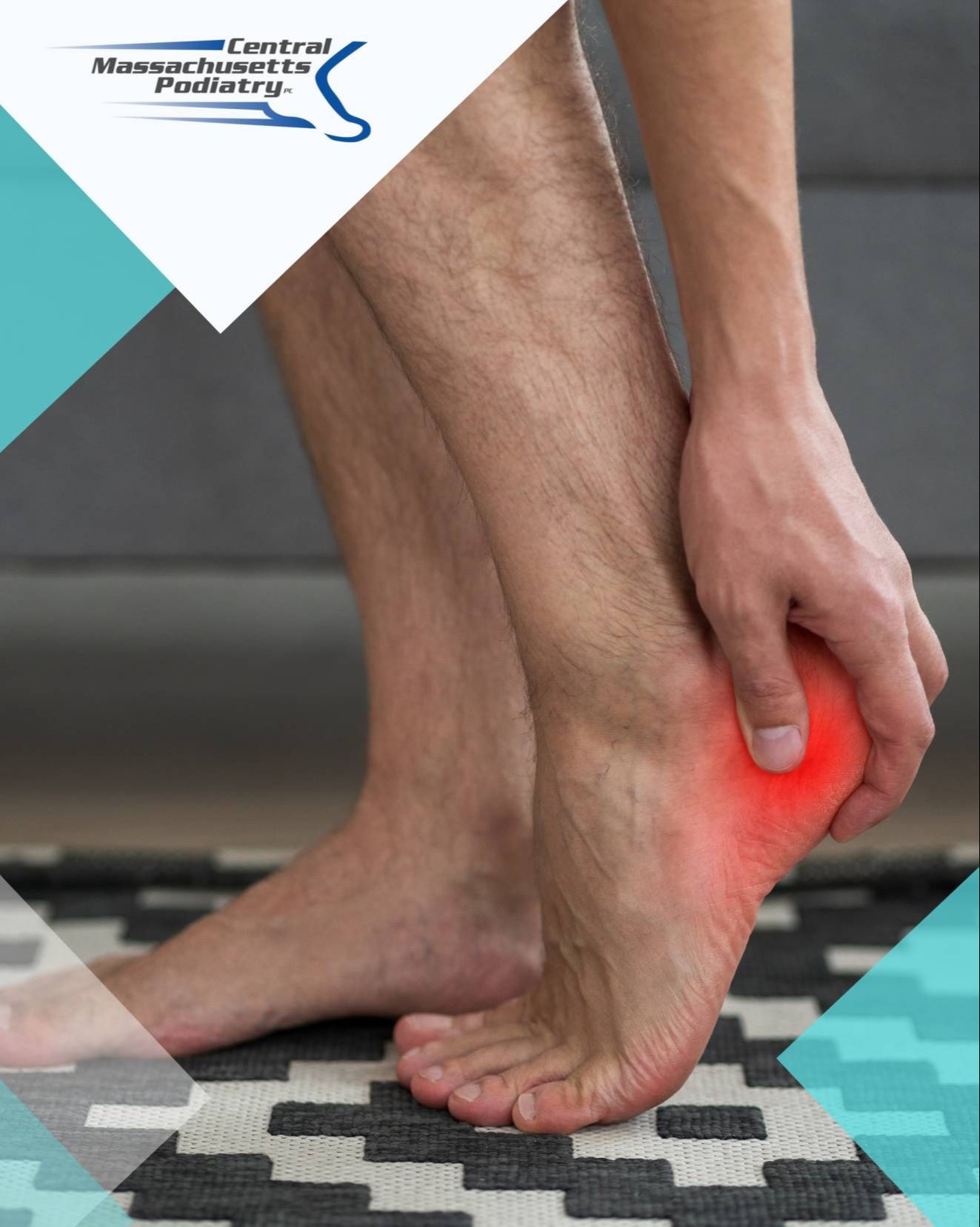
How to Stay Active During Recovery From Heel Pain Treatment
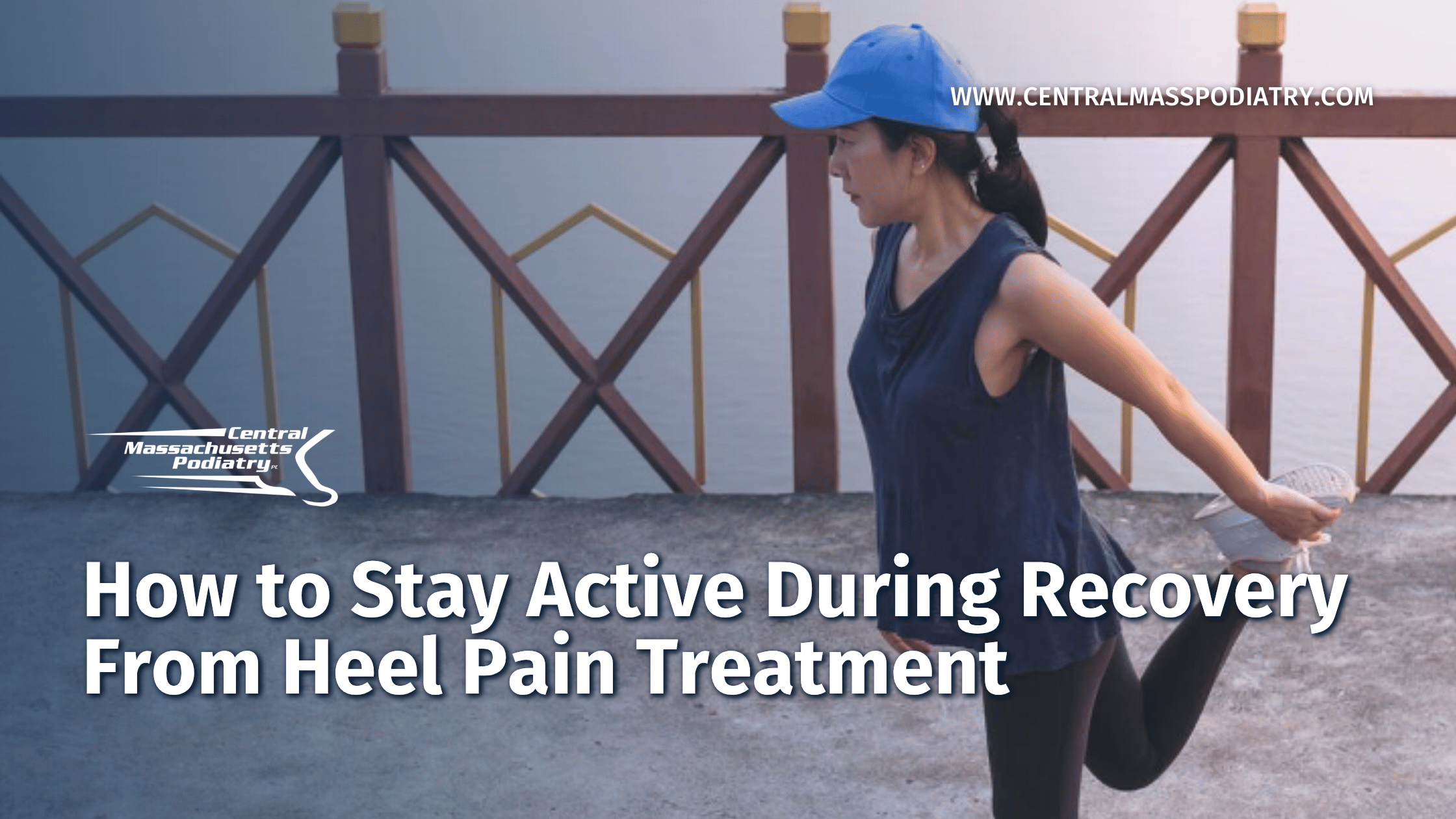
If you’re recovering from heel pain or plantar fasciitis treatment, you may be wondering whether you need to put all of your activities on hold.
One of the biggest concerns in recovery for active adults is losing progress, falling out of their exercise routine, or missing out on activities they enjoy.
The key is finding the right balance between movement, recovery, and treatment.
Understanding what activities are appropriate during recovery can help you stay active while giving your heel the opportunity to heal. Ultimately, your podiatrist can help you determine the right activities depending on your case.
How to Stay Active Without Making Heel Pain Worse
Try to stay within a comfortable and manageable level of pain. The most important factor in your recovery is paying attention to how your heel responds. Mild discomfort during activity that quickly settles afterward may be acceptable in some cases.
However, pain that steadily increases during activity or lingers long after you finish may indicate that the heel is not ready for that level of stress.
Signs that an activity may be too much during recovery include:
- Limping or changing the way you walk
- Swelling or increased tenderness in the heel
- If you feel you have to take pain relievers to get you through the activity
- Lingering pain or symptoms for number of days after the activity
Listening to these signals can help you make adjustments before a minor setback becomes a larger problem.
Watch this helpful video for additional guidance on staying active while managing heel pain.
How to Balance Activity and Recovery During Heel Pain Treatment
Staying active is important, but recovery is just as important. Giving your heel time to heal can help you return to your normal activities sooner and reduce the risk of the pain coming back.
To help balance activity and recovery:
- Wear supportive footwear to reduce stress on the heel during daily activities.
- Follow your stretching and exercise program to improve flexibility and reduce tension on the tissues causing pain.
- Increase activity gradually rather than jumping back into your usual routine too quickly.
- Allow time for recovery between workouts, long walks, or other activities that place stress on the heel.
- Pay attention to your symptoms and adjust your activity level if pain begins to increase.
- Address the underlying cause of your heel pain, whether it's plantar fasciitis, Achilles tendonitis, a stress injury, or another condition.
- Follow your podiatrist's post-treatment instructions to support healing and avoid setbacks.
The goal isn't simply to get through today's activity, but rather it's to help your heel recover so you can comfortably return to the activities you enjoy long-term.
Conclusion
Recovering from heel pain does not necessarily mean giving up the activities you enjoy. Staying active in a thoughtful and controlled way can help you maintain your routine while supporting the healing process.
If heel pain is limiting your daily activities, reach out to Central Massachusetts Podiatry. Our highly experienced podiatrists can help identify the cause and develop a treatment plan tailored to your needs. Schedule a consultation today.
For additional information, we also encourage you to watch or rewatch our free Heel Pain Webinar, to learn more about the causes of heel pain, treatment options, and strategies for staying active safely.