How to Choose the Right Shoes If You Have Bunions?

If you have a bunion, you already know how hard it can be to find comfortable shoes. As the bunion grows, the shape of the foot changes, and many shoes can start to feel tight, uncomfortable, or painful.
Many patients say they struggle to find shoes that don’t rub against the bunion or make walking uncomfortable. While shoes are not a bunion corrector, they can help manage pain and reduce irritation.
Key Shoe Features To Look For
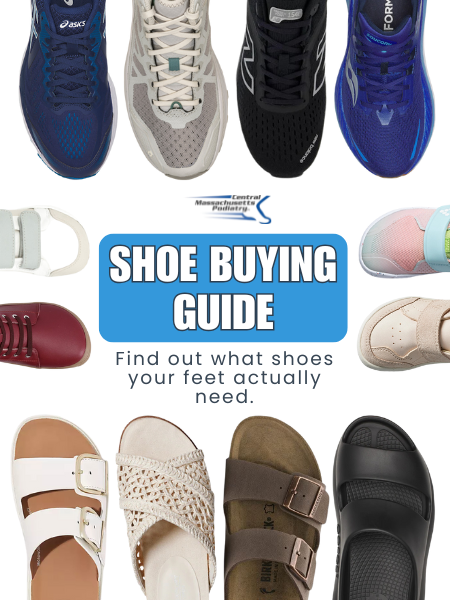
- Wide Toe Box - One of the most important features for bunion-friendly shoes are those with wide toe boxes. They allow your toes to spread naturally without rubbing against the sides of the shoe.
- Soft, Flexible Materials - Select shoes with soft materials like mesh, knit fabric, or flexible leather to minimize friction. These shoes are usually more comfortable because they don’t press as hard against the bunion.
- Low to Moderate Heel Height - Lower heels are usually more comfortable than high heels as they help spread weight more evenly across the foot.
- Good Arch Support - Supportive shoes help keep the foot stable while walking. Good arch support may also reduce stress on the big toe joint and improve comfort during daily activities.
- **Custom Orthotics -** Orthotic inserts help reduce pressure on the bunion by providing better support and improving weight distribution across the foot.
- Adjustable Closures - Shoes with laces, straps, or Velcro can be adjusted for a better fit. This is helpful because feet can swell during the day, especially around the bunion area.
Podiatrist-Recommended Shoes to Help Manage Bunion Pain
Different shoes work better for different situations. To help you look for good shoes, we ask Dr. Donald Pelto, one of the trusted podiatrists in Worcester and Westborough, his shoe recommendations according to different kinds of daily activities:
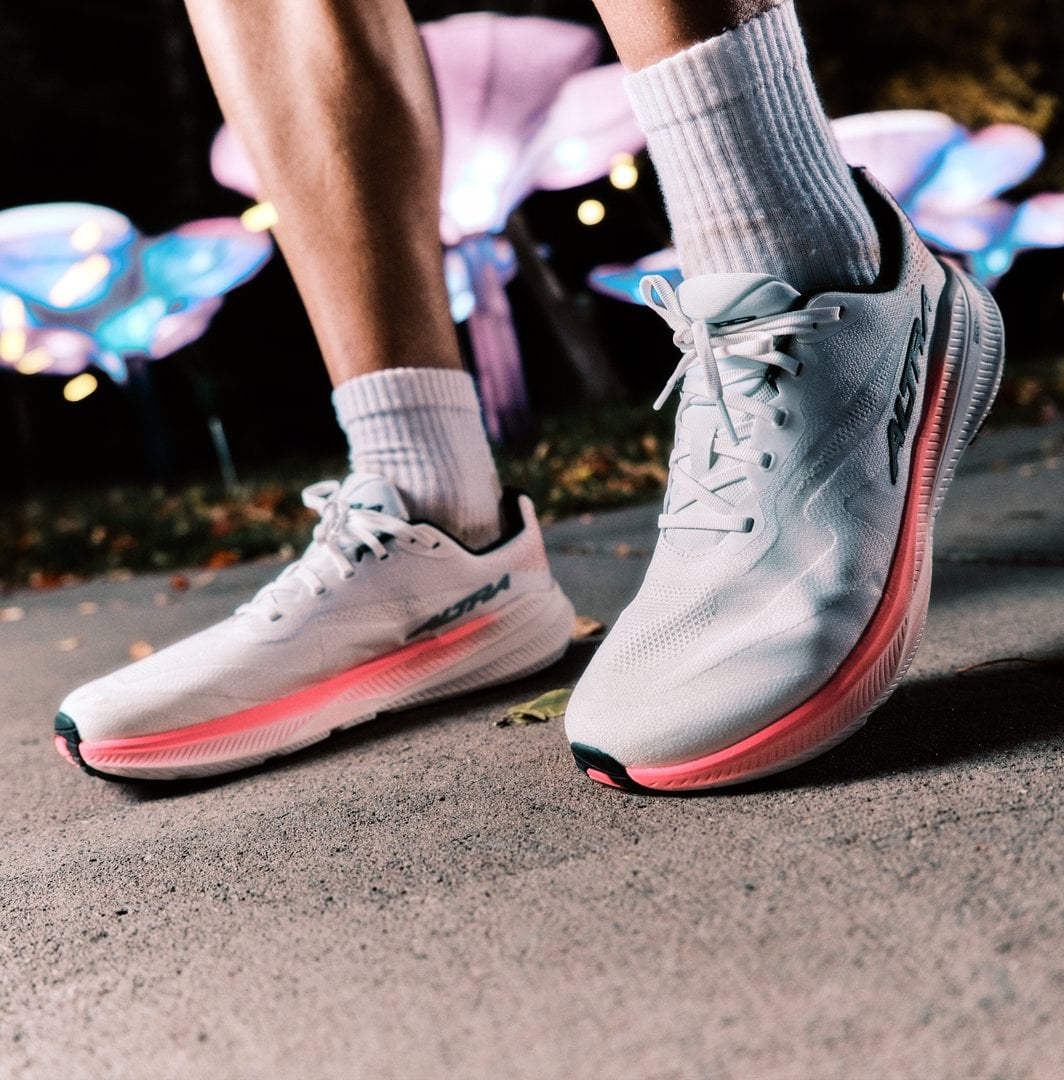
Image source: https://eu.altrarunning.com/en-gb
Walking Shoes: For walking and exercise, cushioned and supportive sneakers with a wide toe box and good shock absorption are often the best choice. Dr. Don Pelto commonly recommends Topo Athletic and Altra shoes for patients with bunions.
Why It Helps: These shoes are designed with a roomy toe box that allows the toes to spread naturally, helping reduce pressure on the bunion. They also provide cushioning and shock absorption to improve comfort during walking and daily activities.
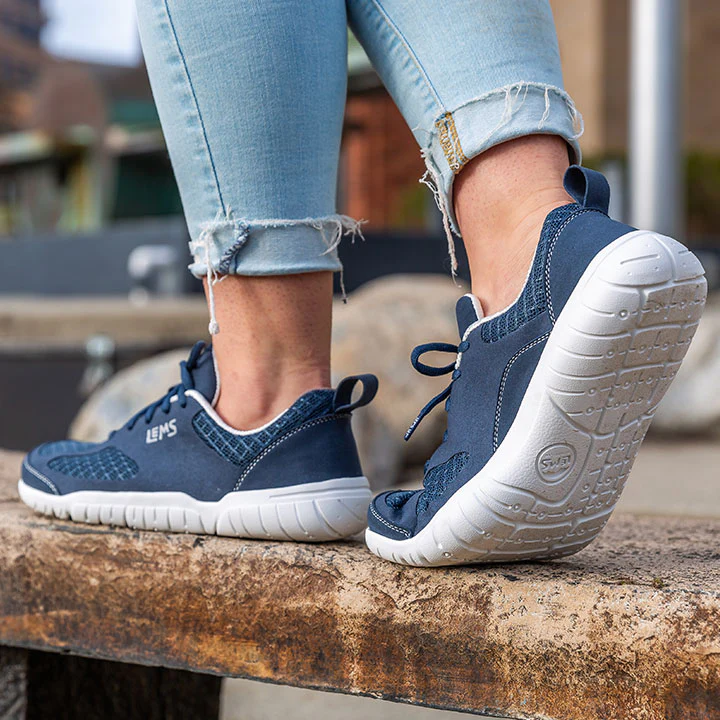
Image source: https://www.lemsshoes.com/
Everyday / Casual Shoes: For everyday wear, flexible flats or sneakers made with soft materials and extra room in the forefoot can help reduce irritation. Dr. Don Pelto often recommends Lems Shoes for casual use.
Why It Helps: These shoes are lightweight, flexible, and comfortable for daily wear. They also have wide, naturally-shaped toe boxes to promote healthy foot development. The softer materials and wider fit can help minimize rubbing and pressure on the bunion area.
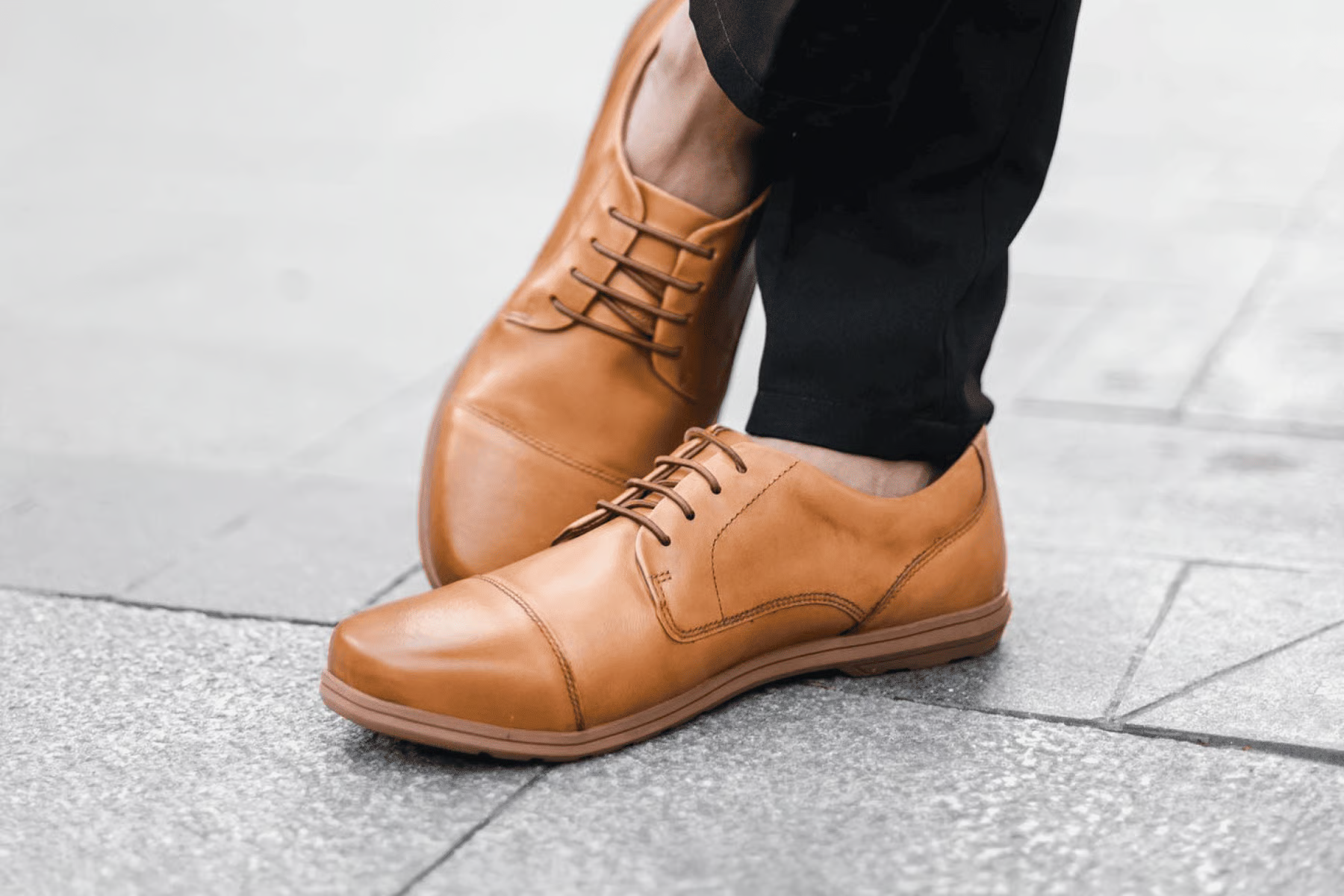
Image source: https://birchbury.com/
Work Shoes: Supportive shoes with cushioning and stability, without a narrow toe box, are usually the best option. Dr. Don Pelto recommends Birchbury shoes for work settings.
Why It Helps: Aside from offering a more professional appearance, these shoes feature a wide toe box, soft leather materials, and zero drop heel. They can help support the feet during long workdays without placing excessive pressure on the bunion.
Conclusion
Wearing the right shoes can make a big difference if you have bunions. It’s important to remember that a surgery is the only way to remove a bunion. However, the right footwear can help manage symptoms and make everyday activities easier.
For proper evaluation and shoe recommendations, reach out to Central Massachusetts Podiatry. Our podiatrists can recommend treatment options to help relieve discomfort and prevent the condition from getting worse. Schedule an appointment now.