How Long Does It Take for a Plantar Wart to Go Away?
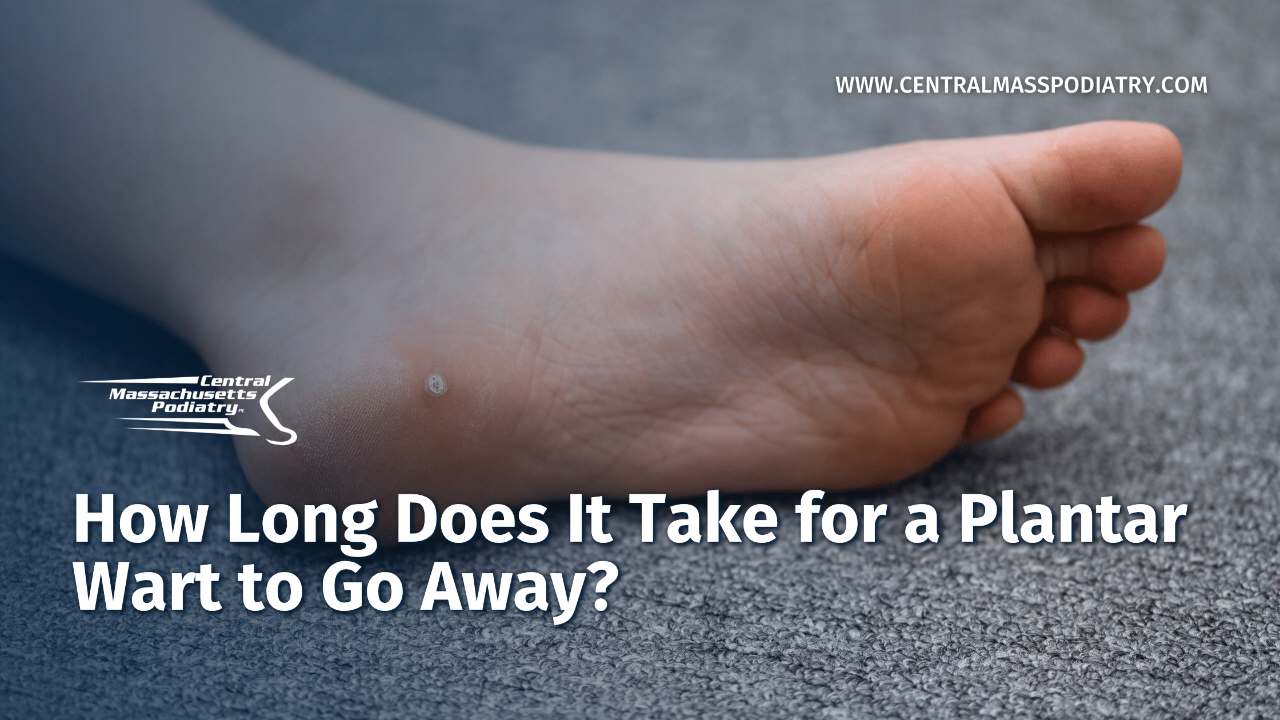
Whether it’s your first time having a plantar wart or you’re dealing with stubborn warts, the question you’ll ask is “How long will this take to go away?” There is no simple answer to this. Plantar warts can sometimes disappear on their own, and some may need professional attention. The timeline varies from person to person.
Understanding how long plantar warts typically last and when they may need professional attention can help you make informed decisions about your foot health.
How Long Does a Plantar Wart Take to Go Away With or Without Treatment?
Plantar warts are caused by the human papillomavirus (HPV), which infects the outer layer of the skin. Because the wart is caused by a virus, the body's immune system ultimately determines how quickly it goes away.
Most plantar warts are harmless and go away without treatment, though it may take a year or two in children, and even longer in adults. Treatment can often shorten the amount of time a wart remains, although there is no guaranteed timeline. Some people notice improvement within a few weeks of treatment, while others may require several months and multiple treatment sessions before the wart fully resolves.
Stubborn warts sometimes require a different treatment approach if the initial treatment is not producing the desired results. In these situations, your podiatrist may recommend changing treatment methods or combining therapies to improve success.
What Can Help a Plantar Wart Go Away Faster?
Many people start with at-home treatment options. Common approaches include:
- Salicylic acid products
- Wart pads
- Filing dead skin from the wart
- Keeping the area clean and dry
- Avoiding walking barefoot in public areas
These treatments can be effective for some warts, particularly when used consistently over time. However, they do not work for every wart. Some plantar warts become deeply embedded in the skin or develop a thick layer of callused tissue that makes treatment more challenging.
If a wart is painful, spreading, recurring, or simply not responding to home treatment, it may be time to see a podiatrist. Depending on the wart and the individual patient, treatment options may include:
Swift Microwave Therapy
Swift uses microwave energy to stimulate the body's immune response against the wart virus. Treatment is typically performed in the office and does not require injections or significant downtime. Some patients respond after a few treatments, while others may require additional sessions.
Beetlejuice (Cantharidin) Treatment
Beetlejuice for warts is a topical treatment applied directly to the affected area. It creates a controlled blistering response that helps separate the wart tissue from the surrounding skin. The number of treatments needed varies based on the wart's size, depth, and response.
Other Professional Wart Treatments
In some cases, additional therapies may be recommended depending on the wart's characteristics and treatment history. Your podiatrist can help determine which option is most appropriate for your situation.
Check out this video to learn more about getting rid of plantar warts.
Conclusion
If a wart has been present for a long time, is becoming painful, spreading, or isn't responding to home treatment, it may be worth seeking professional care rather than continuing to wait indefinitely.
At Central Massachusetts Podiatry, our podiatrists can help determine the right treatment approach based on our specific case. Schedule an appointment with us today.
For additional information about plantar warts, treatment options, and prevention strategies, be sure to download “The Ultimate Guide to Wart Treatments” and learn more about managing these common foot lesions.