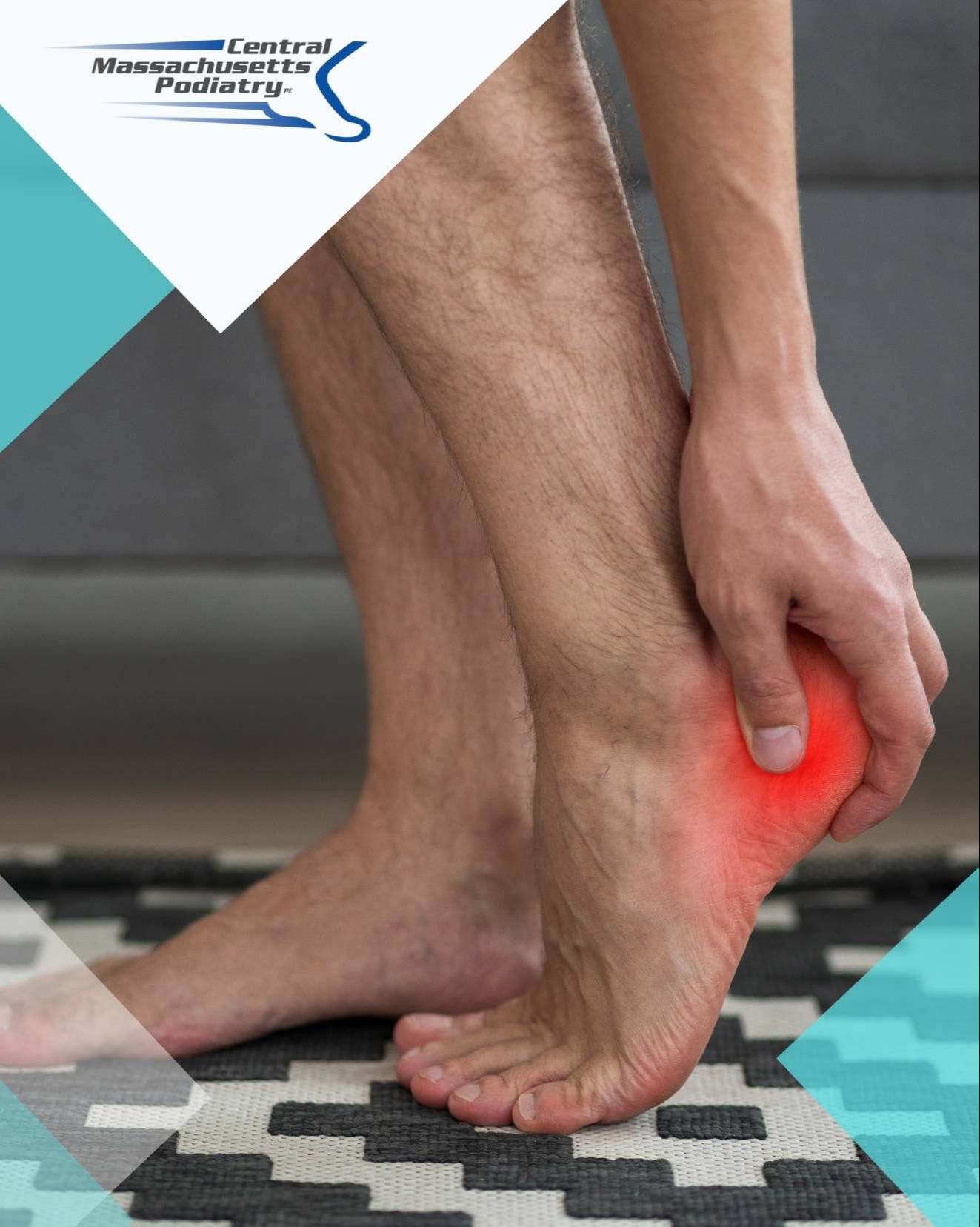
Can You Stay Active With Plantar Fasciitis?

So you’ve been just diagnosed with Plantar Fasciitis. One of the questions that may pop instantly in your mind is, "Do I have to stop exercising?" If you're used to walking, running, working out, or simply staying busy throughout the day, the thought of putting everything on hold can be frustrating.
Depending on the severity of your case, plantar fasciitis diagnosis doesn't always mean you need to stay out from physical activities completely. In some cases, staying active is possible and can even be part of the recovery process.
When Is It Safe to Stay Active With Plantar Fasciitis?
Not all foot pain means you need to stop moving. With advice from a podiatrist, people with plantar fasciitis can continue certain activities while recovering. The challenge is knowing when discomfort is acceptable and when your body is telling you to back off.
Two important warning signs should not be ignored:
- If you're limping, stop.
- If you have swelling, stop.
These are your body's clear signals that the foot is not tolerating the activity well and may need additional rest or treatment. The goal is to pay attention to how your foot responds, not just during activity, but in the hours and days that follow.
Watch this video to learn safety in staying active with Plantar Fasciitis.
How Can You Stay Active Without Making Plantar Fasciitis Worse?
- Modify Activities During Recovery
Recovery doesn't always require complete inactivity, but it may require adjustments. If high-impact activities increase your pain, choose safe exercises such as swimming, cycling, rowing machine, seated strength training or flat-surface walking when pain-free.
- Wear Supportive Footwear
The shoes you wear can have a significant impact on plantar fasciitis symptoms. Supportive footwear with proper cushioning and arch support can help reduce strain on the plantar fascia during daily activities.
- Incorporate Stretching and Strengthening Exercises
A comprehensive treatment plan often includes exercises designed to improve flexibility and strength. Stretching the calf muscles and plantar fascia can help reduce tension on the heel, while strengthening exercises can improve foot and ankle function over time.
- Follow Professional Guidance
Every case of plantar fasciitis is different. Factors such as your activity level, foot structure, and severity of symptoms can influence which activities are appropriate during recovery. A personalized treatment plan can help you stay active while minimizing the risk of aggravating the condition.
- Know When to Seek Treatment
If your symptoms are not improving, continue to worsen, or are preventing you from participating in activities you enjoy, it may be time to seek professional evaluation. Early treatment can often help prevent chronic pain and get you back to your normal routine sooner.
Conclusion
Having plantar fasciitis doesn't automatically mean you have to stop exercising or stay off your feet completely. Depending on your specific case, you may continue to stay active by listening to your body, modifying activities when needed, and following guidance from your podiatrist.
To learn more about heel pain and plantar fasciitis, watch our Free Heel Pain Webinar
If you're struggling to balance activity and recovery, a professional evaluation can help identify the cause of your symptoms and create a treatment plan for you. Schedule an appointment with Central Massachusetts Podiatry today.