
What Happens If Toenail Fungus Is Left Untreated?

Toenail fungus is a very common nail infection that affects many adults. Some people delay seeking treatment because toenail fungus are not always painful in the beginning. While it may seem like a minor cosmetic problem that you can hide under your shoes, it can gradually worsen over time when left untreated.
The problem is that toenail fungus usually does not go away on its own. Over time, the infection can spread, become more noticeable, and make everyday activities uncomfortable.
How Toenail Fungus Progresses Over Time
Toenail fungus often develops slowly, which is one reason many people wait before addressing it. However, gradual changes in the nail can become more significant over time.
Early Signs
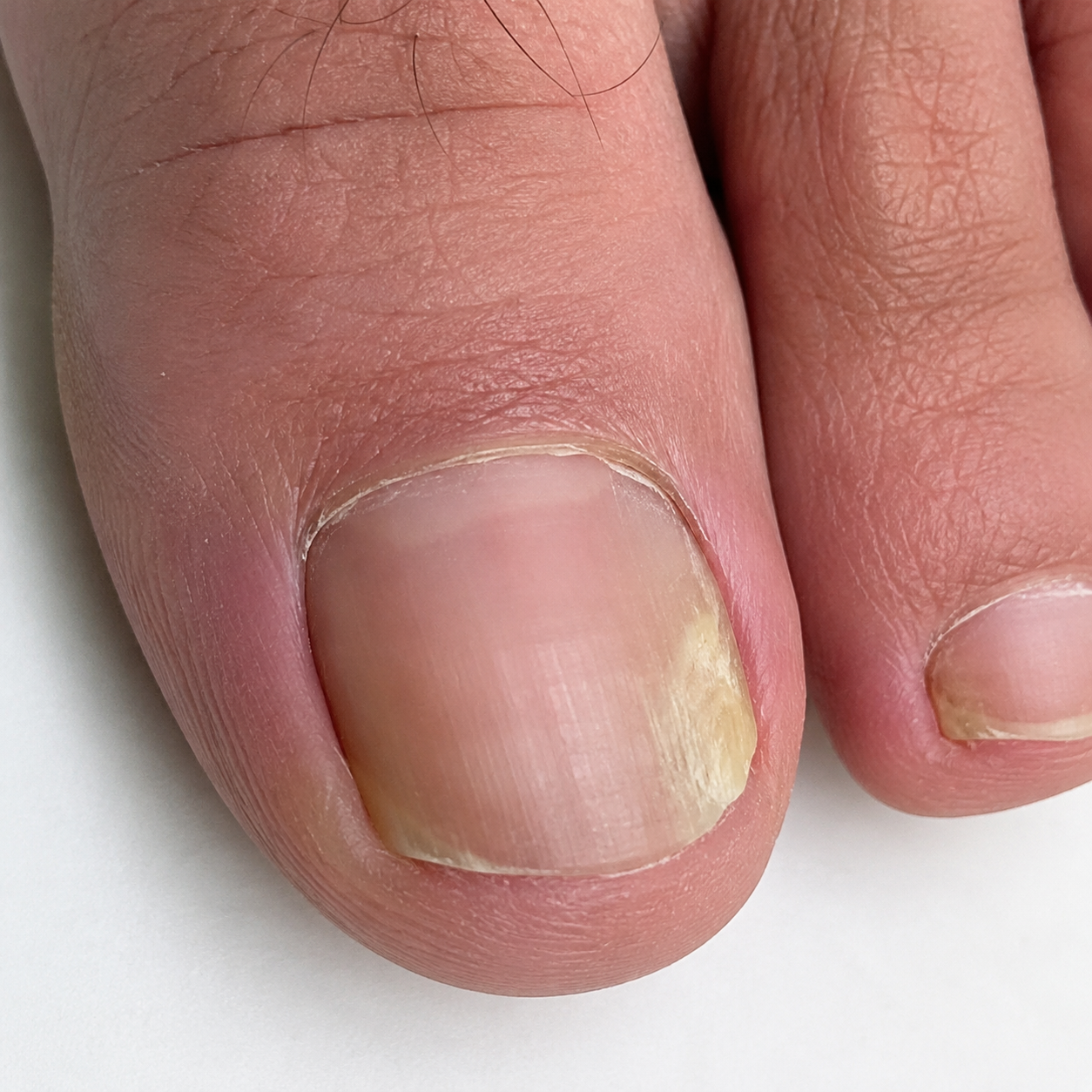
The first signs of toenail fungus are often subtle. At this stage, the infection may affect only a small part of one nail.
You may notice:
- White or yellow spots on the nail
- Mild discoloration
- Slight thickening of the nail
- A rough or dull nail surface
Progressing of the Infection
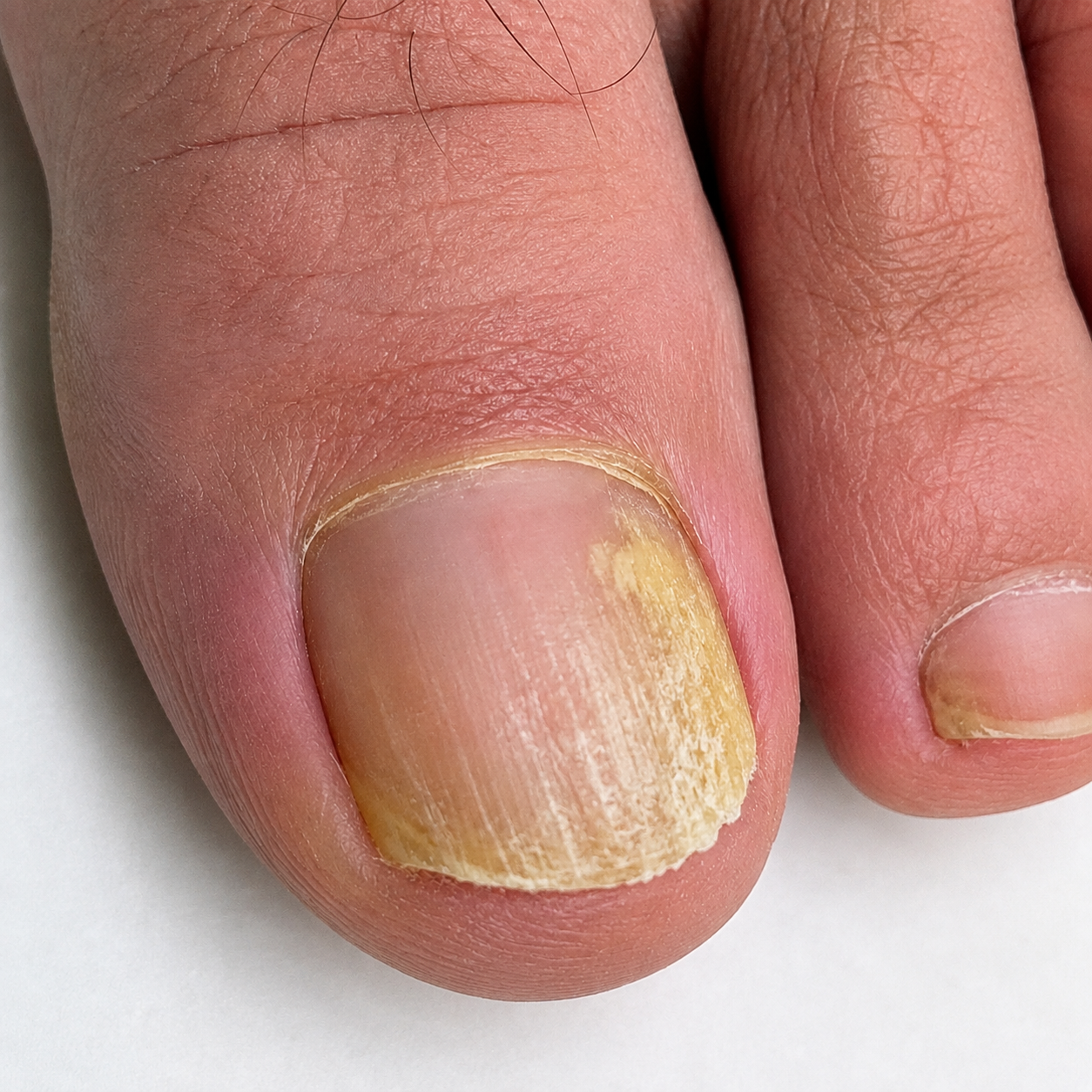
Without treatment, the fungus can continue spreading deeper into the nail. Over time, more of the nail may become affected, and in some cases, multiple toenails can develop the infection.
As the fungus spreads, the nail may become:
- Nail turning yellow, brown or black
- Thicker
- More brittle
- Crumbly or uneven
- Misshapen or distorted
Advanced Stage
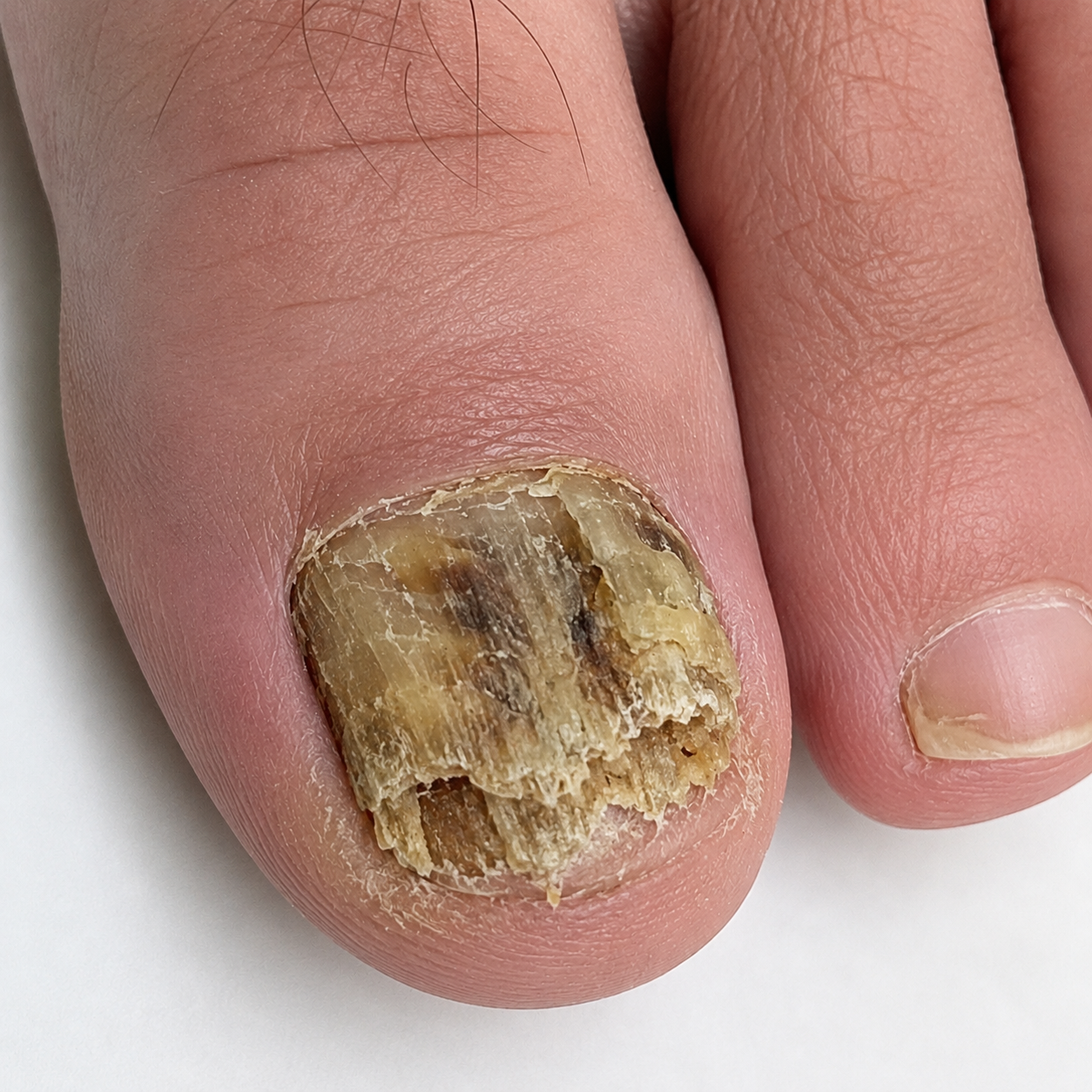
When toenail fungus becomes more advanced, the nail can go through more significant changes that may affect both comfort and daily activities. Patients may notice:
- Severe nail thickening and discoloration
- Brittle or crumbling nails
- Changes in the nail’s shape or structure
- Partial or nearly complete separation of the nail from the nail bed
Risks of Untreated Toenail Fungus
Toenail fungus may seem minor at first, but the infection can become more troublesome over time if it is not treated.
Higher Risk of Spreading Infection: If left untreated, toenail fungus can spread to nearby nails and surrounding skin over time. The longer the infection remains, the more difficult it may become to manage.
Difficulty Trimming Nails or Wearing Shoes: Thickened fungal nails can become hard to trim with regular nail clippers. Some patients also notice that shoes feel tighter or less comfortable because of the added nail thickness.
Pain and Pressure Inside Footwear: As the nail thickens, pressure from socks and shoes can cause tenderness or pain, especially during walking or standing for long periods.
Other Health-related Complications: In some cases, untreated toenail fungus can cause more complex conditions, such as nail loss, athlete’s foot, or cellulitis.
Key Takeaways
Toenail fungus is a common condition that usually does not resolve on its own. While it may start as a small cosmetic issue, the infection can gradually worsen. Early treatment is more effective than waiting until the infection becomes more advanced. It may help prevent further nail changes and improve treatment results.
If you notice discoloration, thickening, brittleness, or other nail changes, reach out to Central Massachusetts Podiatry. Our highly experienced podiatrists will evaluate your condition and create a treatment plan to get rid of your toenail fungus. Schedule an appointment today.